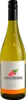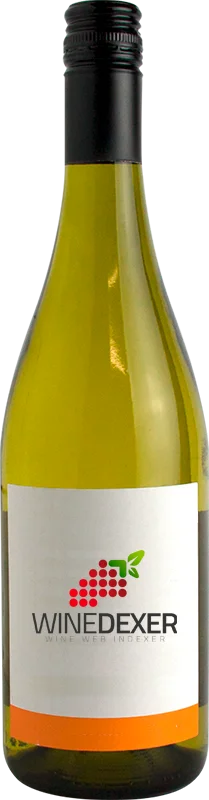
Winery SkaramučaPo&scaronip
 White wine



This wine generally goes well with
Wine flavors and olphactive analysis

On the nose the Po&scaronip of Winery Skaramuča in the region of Dalmatian Coast often reveals types of flavors of citrus, peach or green apple and sometimes also flavors of minerality, stone or earth.
Details and technical informations about Winery Skaramuča's Po&scaronip.
Discover the grape variety: Couderc noir
Natural interspecific crossing between Jaeger 70 (Vitis Rupestris x Vitis Lincecumii) and an unknown Vitis Vinifera discovered by Eugène Contassot, the seeds from this crossing having been offered to/seeded by Georges Couderc. This direct-producing hybrid was the most widely planted, particularly in the south of France. There are still a few strains in production today, but it is practically no longer multiplied, although it is registered in the Official Catalogue of Vine Varieties, list A1. - Synonymy: Couderc 7120, Contassot 20 (for all the synonyms of the varieties, click here!).
Last vintages of this wine
The best vintages of Po&scaronip from Winery Skaramuča are 2017, 2018, 2016, 2015
Informations about the Winery Skaramuča
The Winery Skaramuča is one of of the world's greatest estates. It offers 18 wines for sale in the of Dalmatian Coast to come and discover on site or to buy online.

The wine region of Dalmatian Coast
The wine region of Dalmatian Coast of Croatia. Wineries and vineyards like the Domaine Bibich or the Domaine Boškinac produce mainly wines red and white. The most planted grape varieties in the region of Dalmatian Coast are Plavac mali, Merlot and Cabernet-Sauvignon, they are then used in wines in blends or as a single variety. On the nose of Dalmatian Coast often reveals types of flavors of pineapple, black currant or cola and sometimes also flavors of dark fruit, cinnamon or prune.
The word of the wine: Bâtonnage
A very old technique that has come back into fashion in modern oenology, which consists of shaking the white wine in the barrels at the end of fermentation, or after fermentation, with a stick or a flail, in order to suspend the fine lees composed of yeasts at the end of their activity. This process is sometimes used for red wines.