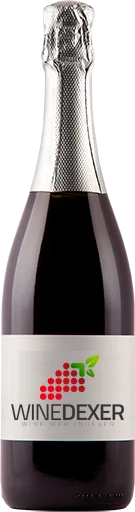
Winery Sileni EstatesCellar Selection Sparkling Rosé
 Sparkling wine


This wine generally goes well with
Details and technical informations about Winery Sileni Estates's Cellar Selection Sparkling Rosé.
Discover the grape variety: Muresconu
Muresconu noir is a grape variety that originated in France (Corsica). It produces a variety of grape especially used for the elaboration of wine. It is rare to find this grape to eat on our tables. Muresconu noir can be found in several vineyards: South-West, Cognac, Bordeaux, Provence & Corsica, Rhone Valley, Loire Valley, Savoie & Bugey, Beaujolais.
Last vintages of this wine
The best vintages of Cellar Selection Sparkling Rosé from Winery Sileni Estates are 0
Informations about the Winery Sileni Estates
The Winery Sileni Estates is one of of the world's great estates. It offers 92 wines for sale in the of Hawke's Bay to come and discover on site or to buy online.

The wine region of Hawke's Bay
The wine region of Hawke's Bay is located in the region of North Island of New Zealand. We currently count 274 estates and châteaux in the of Hawke's Bay, producing 1268 different wines in conventional, organic and biodynamic agriculture. The wines of Hawke's Bay go well with generally quite well with dishes .
The wine region of North Island
New-zealand/north-island/northland">Northland, as its name suggests, is New Zealand's northernmost wine-producing region, around four hours' drive northwest of the country's largest city, Auckland. Most of the Northland region's wineries are situated on the east coast, particularly around the Bay of Islands and the Karikari Pensinula, with another cluster on the west coast near Kaitaia. The region's red wines are mostly produced from Syrah, Pinotage">Pinotage and the Hybrid variety Chambourcin. Chardonnay leads the way for white wine grape varieties; Pinot Gris, Viognier and Sauvignon Blanc are among the other varieties cultivated here.
The word of the wine: Aging on lees
Maturing on the lees enhances the stability, aromatic complexity and texture of white wines, which gain in body and volume. This phenomenon is induced by autolysis, the process of self-degradation of the lees.