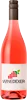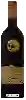
Winery Sidi YoussoufBeni M'Tir
 Red wine


This wine generally goes well with
The Beni M'Tir of the Winery Sidi Youssouf is in the top 5 of wines of Beni M'tir.

Details and technical informations about Winery Sidi Youssouf's Beni M'Tir.
Discover the grape variety: Balcic
Supple, fruity whites to drink young with a pale golden robe, an airy, low-alcohol palate with moderate acidity, and signature aromas of white-fleshed fruits (peach, pear), white flowers and light Muscat notes. Early-ripening. Grown in Dobrudja on the Romanian Black Sea coast, mainly destined for young consumption, it remains little-known outside its regions of origin. A Romanian white grape bred at Murfatlar by crossing with Riesling Italico.
Last vintages of this wine

The best vintages of Beni M'Tir from Winery Sidi Youssouf are 2016, 2017, 2014, 2015 and 2018.
Informations about the Winery Sidi Youssouf
The Winery Sidi Youssouf is one of of the world's greatest estates. It offers 3 wines for sale in the of Beni M'tir to come and discover on site or to buy online.

The wine region of Beni M'tir
Moroccan AOG from the Meknès-Fès region at the foot of the Middle Atlas, with rich soils and altitude that tempers the heat. Dominant Mediterranean varieties — Syrah, Cabernet Sauvignon, Merlot, Tempranillo, Cinsault and Grenache for the leading reds: full-bodied and sun-drenched with notes of ripe black fruits, plum, blackcurrant, garrigue and a spiced touch, round tannins and generous flesh. Fresh gris rosés with red fruits. Flagship labels Sidi Brahim and Ithaque.
The wine region of Meknès
Morocco's leading wine terroir at the foot of the Middle Atlas (60% of national production), at 550 m altitude, continental climate moderated by the mountains, 240 days of sunshine. Cabernet Sauvignon and Syrah are the signature reds with ripe cassis, blackberry, plum, garrigue, pepper and balsamic notes, ripe tannins and solar body. Traditional Carignan and Cinsault for fruity reds and gris. AOG Guerrouane and Beni M'Tir, Morocco's first AOC Coteaux de l'Atlas.
The word of the wine: Wort
Juice before fermentation, still loaded with sugar.