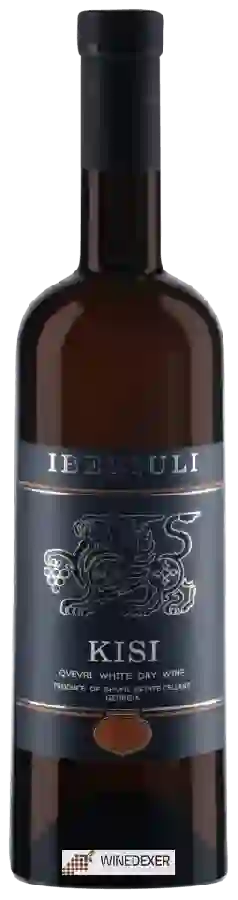
Winery ShumiIberiuli Kisi
 White wine


This wine generally goes well with

Wine flavors and olphactive analysis




On the nose the Iberiuli Kisi of Winery Shumi in the region of Kakheti often reveals types of flavors of non oak, earth or microbio and sometimes also flavors of oak, tree fruit or spices.
Details and technical informations about Winery Shumi's Iberiuli Kisi.
Discover the grape variety: Chinuri
Lively, structured dry whites with a pale golden hue, a lean palate and sharp acidity, with delicate notes of citrus (lemon, grapefruit), green apple, pear, white flowers, fresh herbs and minerals. Also a pillar of Georgia's great traditional-method sparkling wines. Star of Kartli, often vinified in qvevri (buried clay jars). Native Georgian variety for dry and sparkling whites.
Last vintages of this wine

The best vintages of Iberiuli Kisi from Winery Shumi are 2016, 2012, 2017, 0 and 2018.
Informations about the Winery Shumi
The Winery Shumi is one of of the world's greatest estates. It offers 51 wines for sale in the of Kakheti to come and discover on site or to buy online.

The wine region of Kakheti
Cradle of amber and orange wines, vinified in qvevri (buried clay jars, UNESCO). Skin-macerated Rkatsiteli whites: signature notes of dried apricot, walnut, honey, orange peel and black tea, fine tannins and controlled oxidation. Deep, tinctorial Saperavi reds with black fruit, plum, spice and firm tannins, age-worthy. Also Mtsvane and Kisi in white, fresh and floral.
The word of the wine: Malic (acid)
An acid that occurs naturally in many wines and is transformed into lactic acid during malolactic fermentation.