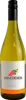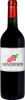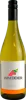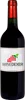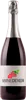
Шато Прогресс (Chateau Progress)Шардоне (Chardonnay)
 wine
wine
This wine generally goes well with
The Шардоне (Chardonnay) of the Шато Прогресс (Chateau Progress) is in the top 0 of wines of Кубань.

Details and technical informations about Шато Прогресс (Chateau Progress)'s Шардоне (Chardonnay).
Discover the grape variety: Ancellotta
Intensely coloured, supple reds with an inky violet robe, melted tannins and moderate acidity. Aromas of black cherry, blackberry, plum, violet and soft spicy notes. Round palate, best drunk young. The quintessential blending variety, massively blended with Lambrusco to intensify the colour of Emilia-Romagna sparkling wines; also vinified as a single variety in Argentina, Switzerland and Portugal. Native Italian variety from the province of Reggio Emilia.
Informations about the Шато Прогресс (Chateau Progress)
The Шато Прогресс (Chateau Progress) is one of of the world's greatest estates. It offers 5 wines for sale in the of Кубань to come and discover on site or to buy online.

The wine region of Кубань
Russia's leading wine region (Krasnodar Krai) between the Black Sea and Sea of Azov, ~50% of Russian wine. Mediterranean to sub-tropical climate. Firm signature Cabernet Sauvignon with signature notes of cassis, blackberry, cedar and a spicy touch, structured tannins. Round Merlot (plum, cherry), dense Saperavi (black cherry, ink), native Krasnostop (blackberry, pepper).
The word of the wine: Turbidity
The state of a cloudy wine, due to the presence of colloidal suspensions that prevent the passage of light.