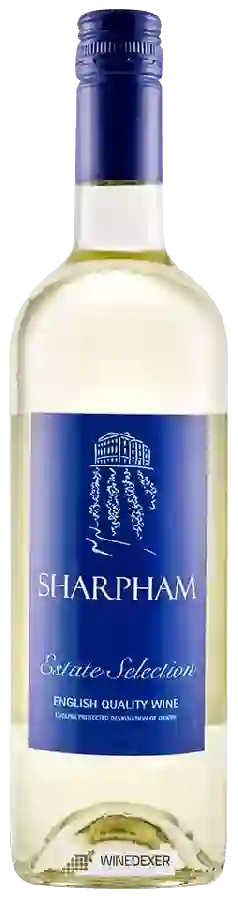
Winery SharphamEstate Selection
 White wine



This wine generally goes well with
The Estate Selection of the Winery Sharpham is in the top 10 of wines of Devon.

Wine flavors and olphactive analysis



On the nose the Estate Selection of Winery Sharpham in the region of England often reveals types of flavors of vegetal, tree fruit or citrus fruit and sometimes also flavors of floral.
Details and technical informations about Winery Sharpham's Estate Selection.
Discover the grape variety: Madeleine angevine
Aromatic, fresh dry whites with a pale hue, a supple palate and preserved acidity, with delicate notes of light muscat, citrus, white flowers, apple and florals. Thirst-quenching, drink young. Very early-ripening variety suited to northern climates: a quiet star of modern English wines, also grown in the Pacific Northwest and Anjou. Hybrid created in 1857 by Moreau-Robert in Anjou (madeleine royale × précoce de Malingre).
Last vintages of this wine
The best vintages of Estate Selection from Winery Sharpham are 2015, 2014, 0, 2017 and 2016.
Informations about the Winery Sharpham
The Winery Sharpham is one of of the world's greatest estates. It offers 18 wines for sale in the of Devon to come and discover on site or to buy online.

The wine region of Devon
County of south-west England along a 20 km coastal strip between Lyme Regis and Torquay, temperate oceanic climate warmed by the Gulf Stream. Signature traditional-method sparkling wines: Chardonnay, Pinot Noir and Pinot Meunier with fine bubbles of green apple, lemon, white flowers, brioche and chalky notes. Signature Bacchus in still whites (Sauvignon-like, elderflower, citrus, lively). Madeleine Angevine, Seyval Blanc and Solaris for hybrid whites.
The wine region of England
Quality renaissance of English wine, signature in traditional-method sparklers. On chalk soils identical to Champagne's (South-East), fine, taut bubbles with signature notes of green apple, lemon, white flowers, brioche and chalk, the vivid acidity of a cool climate. Based on Chardonnay, Pinot Noir and Meunier. Still wines a minority: aromatic Bacchus (elderflower, cut grass — the English identity), fresh Pinot Noir.
The word of the wine: Terroir
Strictly speaking, the notion of terroir corresponds to the geological characteristics of a vineyard. However, when we talk about terroir, we take into account the soil, the climate (even the microclimate), the flora, the fauna, and the human factor that characterizes the practices that make up the art of the craft.