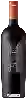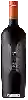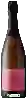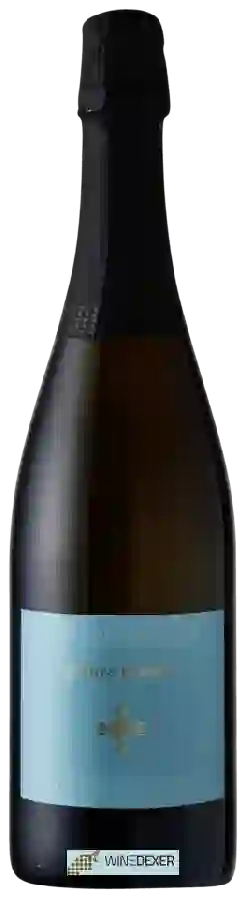
Winery Senza ParoleFrizzante d'Italia
 Sparkling wine


This wine generally goes well with
Details and technical informations about Winery Senza Parole's Frizzante d'Italia.
Discover the grape variety: Queen
Intraspecific crossing obtained in 1954 in the United States by Professor Harold P. Olmo of the University of Davis (California) by crossing the Hamburg Muscat with the Sultana.
Last vintages of this wine
The best vintages of Frizzante d'Italia from Winery Senza Parole are 0
Informations about the Winery Senza Parole
The Winery Senza Parole is one of of the world's greatest estates. It offers 11 wines for sale in the of Puglia to come and discover on site or to buy online.

The wine region of Puglia
Puglia (Apulia to many English speakers) is a Long, slender wine region in the extreme Southeast corner of Italy's "boot". To use the shoe analogy often used to illustrate the shape of Italy, Apulia extends from the tip of the heel to the mid-calf, where the spur of the Gargano Peninsula juts out into the Adriatic Sea. The heel (the Salento peninsula) occupies the southern half of the region and is of great importance for the identity of Puglia. Not only are there cultural and geographical differences from Northern Puglia, but the wines are also different.
The word of the wine: Clarity
The state of translucency of a wine. A clear wine is not cloudy (which is a defect).