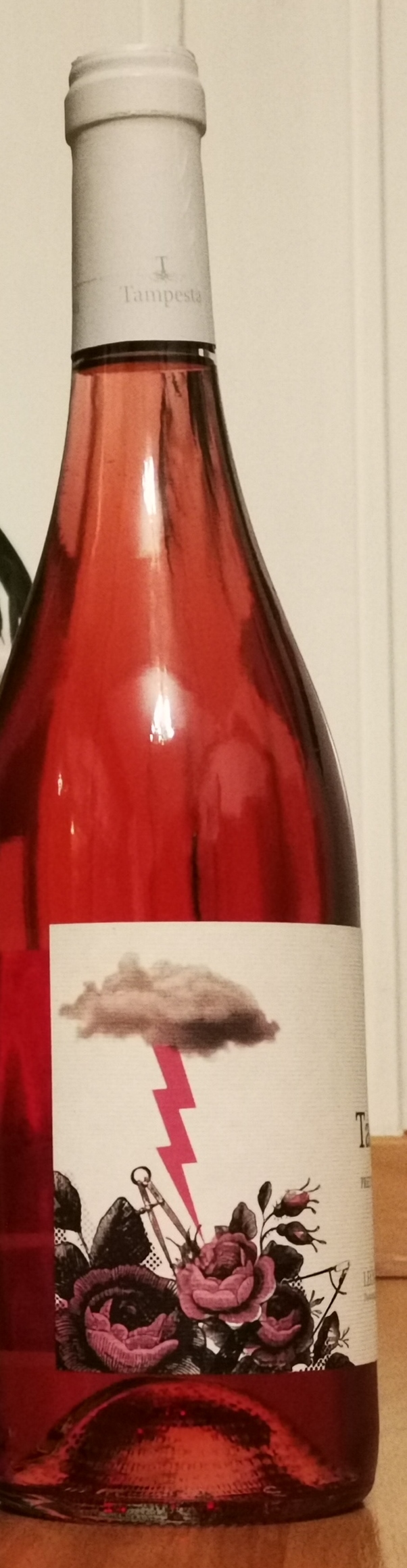
Winery Senorio de ValdesPrieto Picudo Rosado
 Pink wine


This wine generally goes well with
The Prieto Picudo Rosado of the Winery Senorio de Valdes is in the top 80 of wines of Tierra de León.
Details and technical informations about Winery Senorio de Valdes's Prieto Picudo Rosado.
Discover the grape variety: Catarratto
Most certainly of Italian origin, more exactly from Sicily where it is very present, ... almost unknown in France, met in Tunisia. It is involved in the production of the famous Marsala.
Last vintages of this wine
The best vintages of Prieto Picudo Rosado from Winery Senorio de Valdes are 0
Informations about the Winery Senorio de Valdes
The Winery Senorio de Valdes is one of of the world's greatest estates. It offers 2 wines for sale in the of Tierra de León to come and discover on site or to buy online.

The wine region of Tierra de León
The wine region of Tierra de León is located in the region of Castille-et-Léon of Spain. Wineries and vineyards like the Domaine Convento San Francisco or the Domaine Raúl Pérez produce mainly wines red, white and pink. The most planted grape varieties in the region of Tierra de León are Tempranillo, Albarino and Cabernet-Sauvignon, they are then used in wines in blends or as a single variety. On the nose of Tierra de León often reveals types of flavors of tree fruit, citrus fruit or non oak and sometimes also flavors of earth, oak or spices.
The wine region of Castille-et-Léon
Located in the northern half of the Central Iberian plateau, Castilla y León is the largest of Spain's 17 administrative regions, covering about one-fifth of the country's total area. It extends about 350 kilometres (220 miles) from central Spain to the northern coast. Just as wide, it connects the Rioja wine region to the Portuguese border. Red wines reign supreme in Castilla y León, and the Tempranillo grape is undoubtedly the king.
The word of the wine: Reassembly
During the vinification process, a "cap" is formed at the top of the vats with the solid parts (skin, pulp, pips, etc.), which contain tannins and colouring elements. Pumping over consists of emptying the vat from the bottom and pouring the juice back to the top, in order to mix the cap and the juice and to favour the exchange and the extraction. This old technique allows a better exchange between the solid parts and the liquid.