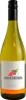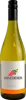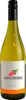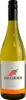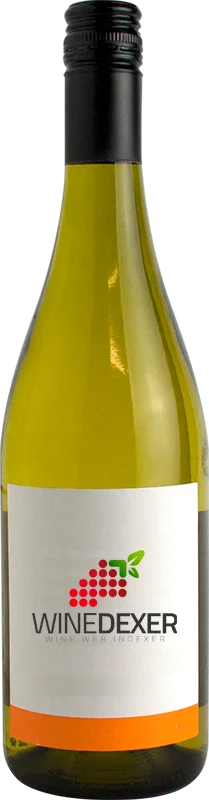
Winery Senorio de ValdenavaBlanco
 White wine



This wine generally goes well with

Details and technical informations about Winery Senorio de Valdenava's Blanco.
Discover the grape variety: Petit brun
Deeply coloured and structured reds with a dark ruby colour, firm tannins and a full palate with preserved acidity, featuring signature aromas of black fruits (blackberry, blackcurrant) and southern spices (garrigue, pepper). Distinctive Aveyron identity. Now rare, preserved for its heritage value; it survives in a few Aveyron plots and belongs to the ancient South-West varieties under study. Indigenous French black variety from the South-West, grown in Aveyron.
Last vintages of this wine
The best vintages of Blanco from Winery Senorio de Valdenava are 2010, 0
Informations about the Winery Senorio de Valdenava
The Winery Senorio de Valdenava is one of of the world's greatest estates. It offers 7 wines for sale in the of Valdepeñas to come and discover on site or to buy online.

The wine region of Valdepeñas
DO of southern Castilla-La Mancha on a high plain (~700 m), kingdom of Tempranillo under an extreme climate ("nine months of winter, three of hell"). Tempranillo, locally Cencibel: structured, fruity reds with signature notes of ripe cherry, plum, vanilla, leather, tobacco and sweet spices, round tannins — excellent value, from young to long oak-aged Gran Reserva. Also Airén whites (Spain's most planted), fresh and neutral. ~24,000-30,000 ha.
The wine region of Castille
Cradle of great Castilian reds, high-altitude plateaus (450-1000 m) along the Duero. Tempranillo king (aka Tinta de Toro, Tinto Fino): powerful, concentrated, structured reds with notes of black cherry, plum, leather, tobacco and spice, firm tannins from altitude and cool nights. Stars: Ribera del Duero (Vega Sicilia, Pingus), fleshy Toro, Bierzo (floral, mineral Mencía). Lively, herbaceous Verdejo whites from Rueda.
The word of the wine: Breton
See cabernet franc.