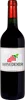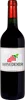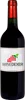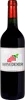
Winery Senorio De RudiRosado
 wine
wine
This wine generally goes well with
The Rosado of the Winery Senorio De Rudi is in the top 0 of wines of Valdepeñas.

Details and technical informations about Winery Senorio De Rudi's Rosado.
Discover the grape variety: Sauvignon Gris
Aromatic, full-bodied dry whites with a pale golden, slightly rosy color, ample palate and preserved acidity, with signature aromas of candied citrus, exotic fruits (mango, passion fruit), white peach, white flowers and subtle herbaceous notes (boxwood), more discreet than sauvignon blanc. Minor component in Bordeaux Blanc, Pessac-Léognan and Graves AOC blends, dry and sweet. Grey-skinned mutation of sauvignon blanc, indigenous to Bordeaux.
Informations about the Winery Senorio De Rudi
The Winery Senorio De Rudi is one of of the world's greatest estates. It offers 4 wines for sale in the of Valdepeñas to come and discover on site or to buy online.

The wine region of Valdepeñas
DO of southern Castilla-La Mancha on a high plain (~700 m), kingdom of Tempranillo under an extreme climate ("nine months of winter, three of hell"). Tempranillo, locally Cencibel: structured, fruity reds with signature notes of ripe cherry, plum, vanilla, leather, tobacco and sweet spices, round tannins — excellent value, from young to long oak-aged Gran Reserva. Also Airén whites (Spain's most planted), fresh and neutral. ~24,000-30,000 ha.
The wine region of Castille
Cradle of great Castilian reds, high-altitude plateaus (450-1000 m) along the Duero. Tempranillo king (aka Tinta de Toro, Tinto Fino): powerful, concentrated, structured reds with notes of black cherry, plum, leather, tobacco and spice, firm tannins from altitude and cool nights. Stars: Ribera del Duero (Vega Sicilia, Pingus), fleshy Toro, Bierzo (floral, mineral Mencía). Lively, herbaceous Verdejo whites from Rueda.
The word of the wine: Presses
The juice that results from pressing the grapes after fermentation. At the end of the maceration, the vats are emptied, the first juice obtained is called the free-run wine and the marc remaining at the bottom of the vat is then pressed to give the press wine. We say more quickly "the presses". Their quality varies according to the vintage and the maceration. A too vigorous extraction releases the tannins of pips and the wine of press can then prove to be very astringent. Often the winemaker raises it separately, deciding later whether or not to incorporate it totally or partially into the grand vin.