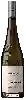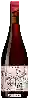
Winery Selecção de EnófilosVinho Verde Tinto
 Red wine


This wine generally goes well with
Wine flavors and olphactive analysis

Details and technical informations about Winery Selecção de Enófilos's Vinho Verde Tinto.
Discover the grape variety: Sultanine
Most certainly finding its first origins in Persia, today Iran. It is registered in the Official Catalogue of table grape varieties list A1. Note that the variety gora chirine, also finding its first origins in Iran (Azerbaijan), is a mutation of the Sultanine, its berries of white or pink color being slightly larger.
Last vintages of this wine

The best vintages of Vinho Verde Tinto from Winery Selecção de Enófilos are 2015, 2014, 2013, 0
Informations about the Winery Selecção de Enófilos
The Winery Selecção de Enófilos is one of of the world's great estates. It offers 36 wines for sale in the of Vinho Verde to come and discover on site or to buy online.

The wine region of Vinho Verde
The wine region of Vinho Verde is located in the region of Minho of Portugal. We currently count 535 estates and châteaux in the of Vinho Verde, producing 1615 different wines in conventional, organic and biodynamic agriculture. The wines of Vinho Verde go well with generally quite well with dishes .
The wine region of Minho
Minho is Portugal's Northernmost wine region. It is known for one wine style above all others: crisp, light, white Vinho Verde, whose DOC zone covers the same territory. The Minho name is used for the area's Vinho Regional designation (similar to the French IGP). The latter's looser production laws allow more diversity in the average winery's portfolio, including red and rosé wines.
The word of the wine: Musky
Characteristic of the musk smell.