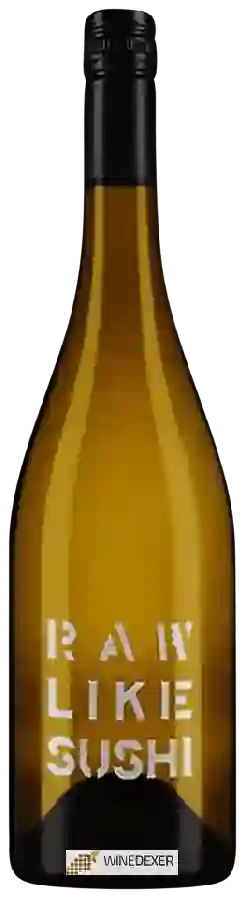
Winery SchembsRaw Like Sushi
 White wine


This wine generally goes well with

Details and technical informations about Winery Schembs's Raw Like Sushi.
Discover the grape variety: Roussin
Light and fruity reds with a light ruby colour, melted tannins and a light palate, offering discreet signature aromas of red fruits (cherry, strawberry) and floral notes. A confidential heritage profile. Now almost extinct, preserved in a few INRAE ampelographic collections, it bears witness to the varietal diversity of the old French vineyard. Rare French black variety, once grown in the Loire Valley and Burgundy.
Last vintages of this wine
The best vintages of Raw Like Sushi from Winery Schembs are 0, 2016
Informations about the Winery Schembs
The Winery Schembs is one of of the world's greatest estates. It offers 46 wines for sale in the of Rheinhessen to come and discover on site or to buy online.

The wine region of Rheinhessen
71% white region: Riesling is king (5,000 ha), dry to off-dry, ripe yellow fruit, apple, citrus and fine saline minerality. Supple, floral Müller-Thurgau for everyday, the world's largest Silvaner plantation with herbaceous, straight notes. Historic cradle of off-sweet Liebfraumilch. Some supple reds (Dornfelder, Spätburgunder).
The word of the wine: SGN
Selection of noble grains. Appellation reserved for a type of sweet wine produced in Alsace.





