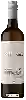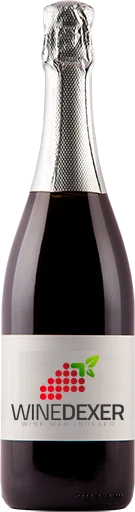
Winery Santo AntonioDo Jardim Terra Nossa Espumante Metodo Tradicional Brut
 Sparkling wine


This wine generally goes well with
The Do Jardim Terra Nossa Espumante Metodo Tradicional Brut of the Winery Santo Antonio is in the top 80 of wines of Vinho de Portugal.
Details and technical informations about Winery Santo Antonio's Do Jardim Terra Nossa Espumante Metodo Tradicional Brut.
Discover the grape variety: Carmenère
Carménère is a grape variety of Bordeaux origin. It is the result of a cross between Cabernet Franc and Gros Cabernet. In France, it occupies only about ten hectares, but it is also grown in Chile, Peru, the Andes, California, Italy and Argentina. The leaves of the carmenere are shiny and revolute. Its berries are round and medium-sized. Carménère is susceptible to grey rot, especially in wet autumn. It can also be exposed to the risk of climatic coulure, which is why it is important to grow it on poor soil and in warm areas. Carménère is associated with an average second ripening period. This variety has only one approved clone, 1059. It can be vinified with Cabernet Sauvignon and Merlot. It produces a rich, highly coloured wine, which acquires character when combined with other grape varieties.
Last vintages of this wine
The best vintages of Do Jardim Terra Nossa Espumante Metodo Tradicional Brut from Winery Santo Antonio are 0
Informations about the Winery Santo Antonio
The Winery Santo Antonio is one of of the world's greatest estates. It offers 2 wines for sale in the of Vinho de Portugal to come and discover on site or to buy online.

The wine region of Vinho de Portugal
Portugal has undergone something of a wine revolution over the past two decades, modernizing its winemaking technologies, styles and attitudes. This archetypal Old World country has Long been famous for its fortified wines (Port and Madeira) and its light, tangy Vinho Verde. But it is now attracting much attention for its New wave of Rich, ripe table wines, especially the reds of the Douro Valley. Portugal's place in the wine world is arguably more about its cork production than its wine, but that largely depends on which period of history you choose.
The word of the wine: Oxidation
Alteration of the wine caused by prolonged contact with oxygen and resulting in a coppery colour with brown reflections and the appearance of typical aromas reminiscent of rancid nuts.