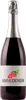
Winery San Venanzio FortunatoBekkjarvik Gjestgiveri Favorita
 wine
wine
This wine generally goes well with
The Bekkjarvik Gjestgiveri Favorita of the Winery San Venanzio Fortunato is in the top 0 of wines of Langhe.

Details and technical informations about Winery San Venanzio Fortunato's Bekkjarvik Gjestgiveri Favorita.
Discover the grape variety: Malvar
Fresh, aromatic dry whites with a pale golden colour, a supple palate and preserved acidity, showing signature aromas of citrus (lemon, grapefruit), white flowers, white-fleshed fruits (pear) and calcareous mineral notes. Continental refreshing profile. An essential component of Vinos de Madrid DO sub-region of Arganda, defining the viticultural identity of the Spanish capital region. Native white variety from Madrid, productive and historic.
Informations about the Winery San Venanzio Fortunato
The Winery San Venanzio Fortunato is one of of the world's great estates. It offers 12 wines for sale in the of Langhe to come and discover on site or to buy online.

The wine region of Langhe
Italy's wine-and-food capital, UNESCO terroir of Piedmont. Heart of Nebbiolo: Barolo DOCG, "king of wines", and Barbaresco DOCG, age-worthy reds with firm tannins, vivid acidity and complex aromas of withered rose, morello cherry, tar, white truffle and undergrowth. More accessible Langhe DOC (Nebbiolo, crunchy Dolcetto, Freisa). Round almondy Arneis whites from Roero.
The wine region of Piedmont
Kingdom of Nebbiolo: Barolo and Barbaresco DOCG, long-ageing reds with firm tannins and lively acidity, complex aromas of withered rose, sour cherry, tar, truffle and undergrowth. More accessible, tangy Barbera on red fruit, supple, crisp Dolcetto. Sweet, floral sparkling Moscato d'Asti, mineral, lemony Gavi (Cortese) white, round, almondy Arneis from Roero. 50,000 ha across the Langhe, Roero and Monferrato, UNESCO.
The word of the wine: Yeast
Micro-organisms at the base of all fermentative processes. A wide variety of yeasts live and thrive naturally in the vineyard, provided that treatments do not destroy them. Unfortunately, their replacement by laboratory-selected yeasts is often the order of the day and contributes to the standardization of the wine. Yeasts are indeed involved in the development of certain aromas.