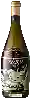
Winery San DomenicoSant'Anna Pinot Grigio
 wine
wine
This wine generally goes well with
The Sant'Anna Pinot Grigio of the Winery San Domenico is in the top 0 of wines of Sicilia.

Details and technical informations about Winery San Domenico's Sant'Anna Pinot Grigio.
Discover the grape variety: Klingelberger
Aromatic and mineral whites of great ageing potential, with a pale golden colour, a taut palate with vibrant acidity and signature aromas of citrus (lemon, grapefruit), green apple, flint, white flowers and petrol notes at maturity. Also as botrytised Spätlese, Auslese and Eiswein. Produces great whites in German Baden, a typical expression of Durbach and Schloss Staufenberg. Synonym of Riesling used in Germany (Baden, Durbach).
Informations about the Winery San Domenico
The Winery San Domenico is one of of the world's greatest estates. It offers 4 wines for sale in the of Sicilia to come and discover on site or to buy online.

The wine region of Sicilia
Sunny island with identity-driven wines. Signature Nero d'Avola as red: fleshy and fruity with notes of black cherry, candied plum, Mediterranean herbs, round tannins. Nerello Mascalese on Etna: fine, mineral red, volcanic ash and red fruits. Crunchy Frappato.
The wine region of Sicily
Major qualitative renewal. Sunny, expressive reds: fleshy, spicy Nero d'Avola (black cherry, blackberry, liquorice), fine, mineral Nerello Mascalese on Etna (recalls Pinot Noir), light, crisp Frappato in Cerasuolo di Vittoria DOCG. Lively, saline whites: Catarratto, fat, iodised Grillo, taut Carricante, floral Inzolia. Amber, walnutty fortified Marsala.
The word of the wine: Ample
Said of a generous wine with a rich body that gives an impression of fullness in the mouth.