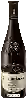
The Château Saint Nabor of Rhône méridional of Rhone Valley
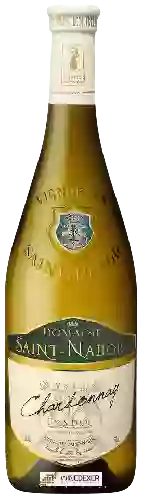
Château Saint Nabor
The winery offers 17 different wines
3.6


Note - 1Note - 1Note - 1Note - 0.5Note - 0
Its wines get an average rating of 3.6.
It is ranked in the top 2518 of the estates of Rhone Valley.
It is located in Rhône méridional in the region of Rhone Valley
Find the Château Saint Nabor on Twitter

The Château Saint Nabor is one of the best wineries to follow in Rhône méridional.. It offers 17 wines for sale in of Rhône méridional to come and discover on site or to buy online.
Top Château Saint Nabor wines

Looking for the best Château Saint Nabor wines in Rhône méridional among all the wines in the region? Check out our tops of the best red, white or effervescent Château Saint Nabor wines. Also find some food and wine pairings that may be suitable with the wines from this area. Learn more about the region and the Château Saint Nabor wines with technical and enological descriptions.

The top white wines of Château Saint Nabor

Food and wine pairings with a white wine of Château Saint Nabor

How Château Saint Nabor wines pair with each other generally quite well with dishes of vegetarian, poultry or pasta such as recipes of tuna, pepper and tomato quiche, chicken wok with chinese noodles or express seafood spaghetti.

Organoleptic analysis of white wines of Château Saint Nabor

On the nose the white wine of Château Saint Nabor. often reveals types of flavors of earth, microbio or oak and sometimes also flavors of tree fruit, citrus fruit or tropical fruit. In the mouth the white wine of Château Saint Nabor. is a powerful.

The best vintages in the white wines of Château Saint Nabor

  • 2014With an average score of 4.00/5
  • 0With an average score of 3.70/5

The grape varieties most used in the white wines of Château Saint Nabor.

  • Chardonnay
  • Ugni blanc
  • Grenache
  • Roussanne
  • Viognier

Discovering the wine region of Rhône méridional

Côtes du Rhône is a regional appellation in the Rhône Valley in eastern France. It applies to red, rosé and white wines, and includes more than 170 villages. The area follows the course of the Rhône southward for 125 miles (200 km) from Saint-Cyr-sur-le-Rhône to Avignon. A small portion of the wines in the appellation are white wines.

However, the classic Côtes du Rhône wine is a blend of Fruity, medium-weight reds made from Grenache, Syrah and Mourvèdre. The Côtes du Rhône appellation was introduced in November 1937. Its purpose was to give a general title to good quality Rhone wines from the lesser known and less prestigious wine producing areas of the valley. Côtes du Rhône The landscape of the Côtes du Rhône.

The top red wines of Château Saint Nabor

Food and wine pairings with a red wine of Château Saint Nabor

How Château Saint Nabor wines pair with each other generally quite well with dishes of beef, lamb or game (deer, venison) such as recipes of navarin of lamb, lamb with ginger honey or duck confit.

Organoleptic analysis of red wines of Château Saint Nabor

On the nose the red wine of Château Saint Nabor. often reveals types of flavors of cheese, microbio or oak and sometimes also flavors of spices, red fruit or cherry. In the mouth the red wine of Château Saint Nabor. is a powerful with a nice balance between acidity and tannins.

The best vintages in the red wines of Château Saint Nabor

  • 0With an average score of 3.80/5
  • 2018With an average score of 3.70/5
  • 2017With an average score of 3.68/5
  • 2014With an average score of 3.67/5
  • 2016With an average score of 3.63/5
  • 2012With an average score of 3.50/5

The grape varieties most used in the red wines of Château Saint Nabor.

  • Shiraz/Syrah
  • Grenache
  • Mourvedre
  • Carignan
  • Cinsault

Discover the grape variety: Viognier

White Viognier is a grape variety that originated in France (Rhone Valley). It produces a variety of grape specially used for wine making. It is rare to find this grape to eat on our tables. This variety of grape is characterized by small bunches, and grapes of small size. White Viognier can be found in many vineyards: South West, Languedoc & Roussillon, Cognac, Bordeaux, Rhone Valley, Burgundy, Jura, Champagne, Savoie & Bugey, Provence & Corsica, Loire Valley, Beaujolais.

The top pink wines of Château Saint Nabor

Food and wine pairings with a pink wine of Château Saint Nabor

How Château Saint Nabor wines pair with each other generally quite well with dishes of vegetarian, pasta or appetizers and snacks such as recipes of zucchini and goat cheese quiche, spaghetti with clams or mini burgers.

Organoleptic analysis of pink wines of Château Saint Nabor

On the nose the pink wine of Château Saint Nabor. often reveals types of flavors of peach, minerality or strawberries and sometimes also flavors of non oak, earth or tree fruit. In the mouth the pink wine of Château Saint Nabor. is a powerful with a nice freshness.

The best vintages in the pink wines of Château Saint Nabor

  • 2019With an average score of 3.60/5
  • 0With an average score of 3.60/5
  • 2016With an average score of 3.50/5
  • 2014With an average score of 3.30/5

The grape varieties most used in the pink wines of Château Saint Nabor.

  • Grenache
  • Cinsault
  • Tempranillo
  • Shiraz/Syrah
  • Mourvedre
  • Carignan

The word of the wine: Sulphating

Treatment, formerly practiced with copper sulfate, applied to the vine to prevent cryptogamic diseases.

Discover other wineries and winemakers neighboring the Château Saint Nabor

Planning a wine route in the of Rhône méridional? Here are the wineries to visit and the winemakers to meet during your trip in search of wines similar to Château Saint Nabor.

Discover the grape variety: Chardonnay

The white Chardonnay is a grape variety that originated in France (Burgundy). It produces a variety of grape specially used for wine making. It is rare to find this grape to eat on our tables. This variety of grape is characterized by small bunches, and small grapes. White Chardonnay can be found in many vineyards: South West, Burgundy, Jura, Languedoc & Roussillon, Cognac, Bordeaux, Beaujolais, Savoie & Bugey, Loire Valley, Champagne, Rhone Valley, Armagnac, Lorraine, Alsace, Provence & Corsica.