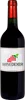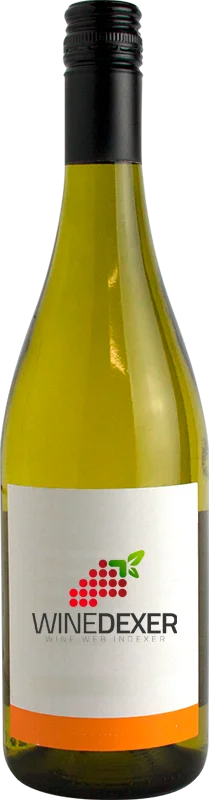
Winery S de SommelierBordeaux Blanc
 White wine



In the mouth this white wine is a powerful.
This wine generally goes well with pork, vegetarian or poultry.
Taste structure of the Bordeaux Blanc from the Winery S de Sommelier
Light | Bold | |
Dry | Sweet | |
Soft | Acidic |
In the mouth the Bordeaux Blanc of Winery S de Sommelier in the region of Bordeaux is a powerful.
Food and wine pairings with Bordeaux Blanc
Pairings that work perfectly with Bordeaux Blanc



Original food and wine pairings with Bordeaux Blanc


The Bordeaux Blanc of Winery S de Sommelier matches generally quite well with dishes of pork, vegetarian or poultry such as recipes of soft and inexpensive pasta gratin, zucchini and goat cheese quiche or roast goose, soft.
Details and technical informations about Winery S de Sommelier's Bordeaux Blanc.
Discover the grape variety: Bourboulenc
Bourboulenc is mainly grown in the southern part of France. It is a white grape variety that ripens quite late. It can only be harvested around 25 September and for an average of only one month. Bourboulenc is particularly fond of low-lying, but at the same time warm and dry locations. The aroma of this grape variety is not very pronounced, but it has a certain exotic fruit and floral aroma such as broom. The result is a low alcohol wine with subtle and fleeting aromas. Blanquette, bourboulanc, bourboulenque, doucillon, clairette dorée and clairette blanche are all names that can designate bourboulenc. This grape variety is very sensitive to diseases common to all vine plants such as magnesium deficiency, mildew and oidium. Bourboulenc can be used as a table grape. Most French people keep the bunches until Christmas in order to present them on the festive table as desserts.
Informations about the Winery S de Sommelier
The Winery S de Sommelier is one of of the world's greatest estates. It offers 10 wines for sale in the of Bordeaux to come and discover on site or to buy online.

The wine region of Bordeaux
Bordeaux, in southwestern France, is one of the most famous, prestigious and prolific wine regions in the world. The majority of Bordeaux wines (nearly 90% of the production Volume) are the Dry, medium and Full-bodied red Bordeaux blends for which it is famous. The finest (and most expensive) are the wines of the great châteaux of Haut-Médoc and the right bank appellations of Saint-Émilion and Pomerol. The former focuses (at the highest level) on Cabernet Sauvignon, the latter on Merlot.
The word of the wine: Dish
Wine lacking tone and relief in the mouth.