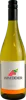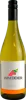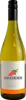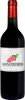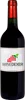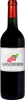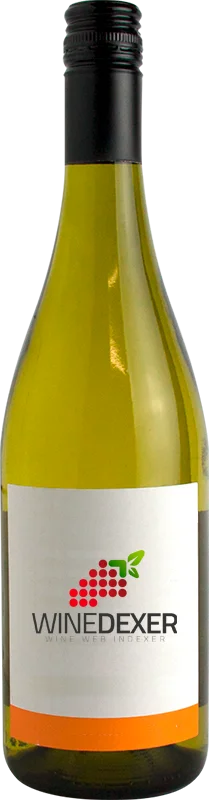
Winery Rustaveli (რუსთაველი)Tsolikauri
 White wine


This wine generally goes well with
Details and technical informations about Winery Rustaveli (რუსთაველი)'s Tsolikauri.
Discover the grape variety: Saint-Macaire
Saint-Macaire noir is a grape variety that originated in France (Bordeaux). It produces a variety of grape specially used for wine making. It is rare to find this grape to eat on our tables. This variety of grape is characterized by small bunches, and grapes of medium size. Saint-Macaire noir can be found in several vineyards: South-West, Cognac, Bordeaux, Provence & Corsica, Rhone valley, Loire valley, Savoie & Bugey, Beaujolais.
Last vintages of this wine

The best vintages of Tsolikauri from Winery Rustaveli (რუსთაველი) are 0, 2017
Informations about the Winery Rustaveli (რუსთაველი)
The Winery Rustaveli (რუსთაველი) is one of of the world's greatest estates. It offers 9 wines for sale in the of Kakheti to come and discover on site or to buy online.

The wine region of Kakheti
Kakheti is the most important wine region in Georgia in quantitative, qualitative and even historic terms. Almost three-quarters of the country's wine Grapes are grown here, on land that has been used for viticulture for thousands of years. Kakheti is home to some of the oldest human habitations in the entire Caucasus region, and archaeological findings have suggested that wine has been produced here for several thousand years. The region's strong relationship with wine and Vine was captured in Georgia's famous hymn 'Thou Art a Vineyard', written in the 12th Century by King Demetrius I.
The word of the wine: Sulphites
Chemical compounds derived from sulphur (better known in the wine world as SO2) and used by winemakers for their antiseptic, antioxidant and antioxidant properties.