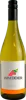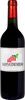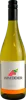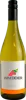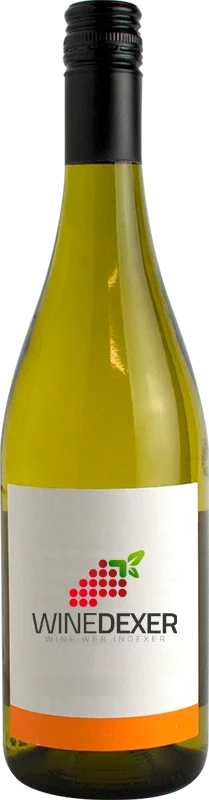
Winery RougiersLes Restanques Bleues Blanc
 White wine


This wine generally goes well with
The Les Restanques Bleues Blanc of the Winery Rougiers is in the top 30 of wines of Coteaux Varois en Provence.

Details and technical informations about Winery Rougiers's Les Restanques Bleues Blanc.
Discover the grape variety: Roi des blancs
Simple, fresh dry whites with a pale golden colour, a supple palate with moderate acidity and understated aromas of citrus and white flowers. Discreet rustic profile. Preserved in a few ampelographic collections for its heritage value; belongs to the old varieties whose commercial diffusion has almost disappeared and which are studied for their genetic and historical interest. Rare, poorly documented white variety cultivated in negligible quantities.
Informations about the Winery Rougiers
The Winery Rougiers is one of of the world's greatest estates. It offers 16 wines for sale in the of Coteaux Varois en Provence to come and discover on site or to buy online.

The wine region of Coteaux Varois en Provence
Provençal AOC of the Var hinterland (28 villages, ~2,229 ha) tempered by the Sainte-Baume massif. Signature rosés dominate (91%): pale robe with signature notes of strawberry, grapefruit, white peach, flowers (rose, garrigue) and a citrus touch, fresh and thirst-quenching palate — more structured and mineral than the coast thanks to altitude. Cinsault, Grenache, Syrah, Mourvèdre at the base, local Tibouren. Supple cherry-garrigue reds, Rolle and Clairette whites.
The wine region of Provence
World capital of dry, refined rosé (~90% of production). Pale rose-petal colour, delicate nose of fresh red fruits (strawberry, raspberry, redcurrant), citrus (pink grapefruit), white flowers and a mineral touch, taut and thirst-quenching palate — the Mediterranean aperitif par excellence. Blends of Grenache, Cinsault, Syrah, Tibouren and Mourvèdre. Fleshy Bandol reds from Mourvèdre (leather, garrigue, age-worthy), straight Cassis whites.
The word of the wine: Smooth
Said of a wine that has a mouthfeel reminiscent of the creamy texture of fats.