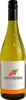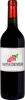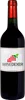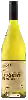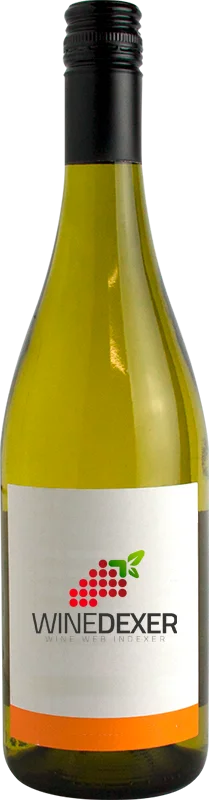
Winery Rooster HillTraminette
 White wine



This wine generally goes well with

Wine flavors and olphactive analysis

On the nose the Traminette of Winery Rooster Hill in the region of New York often reveals types of flavors of citrus fruit.
Details and technical informations about Winery Rooster Hill's Traminette.
Discover the grape variety: Traminette
Muscat-scented, structured whites with a golden robe, full palate and firm acidity. Intense aromas of rose, lychee, white flowers, yellow fruits (peach, apricot), honey and soft spices reminiscent of Gewürztraminer. Produced as dry, off-dry and sweet styles. Aromatic flagship of the American north-east (Indiana — the state's signature variety —, New York, Ohio, Pennsylvania) and Canada. Hybrid created in 1965 by Cornell University (Joannes Seyve 23.416 × Gewürztraminer).
Last vintages of this wine
The best vintages of Traminette from Winery Rooster Hill are 0
Informations about the Winery Rooster Hill
The Winery Rooster Hill is one of of the world's greatest estates. It offers 23 wines for sale in the of Finger Lakes to come and discover on site or to buy online.

The wine region of Finger Lakes
Quality hub of the American northeast, signature Riesling: dry, lively, mineral whites with notes of green apple, lemon, white peach and wet stone, sharp acidity comparable to the best Germans. Also off-dry and sweet botrytised versions. Precise Chardonnay, fine, fresh Pinot Noir (red fruits), peppery Cabernet Franc. Continental climate tempered by 11 glacial lakes (Cayuga, Seneca).
The wine region of New York
America's 3rd wine state by volume, striking diversity. Finger Lakes the signature: cool-climate Riesling, dry to off-dry, mineral and lively with notes of lime, apple, evolving petrol and white flowers — a US benchmark. Warmer Long Island for peppery Cabernet Franc and supple Merlot. Hudson Valley (Seyval, Vidal).
The word of the wine: Solera
A method of maturing practiced in Andalusia for certain sherries, which aims to continuously blend older and younger wines. It consists of stacking several layers of barrels; those located at ground level (solera) contain the oldest wines, the youngest being stored in the barrels on the upper level. The wine to be bottled is taken from the barrels on the lower level, which is replaced by younger wine from the upper level, and so on.