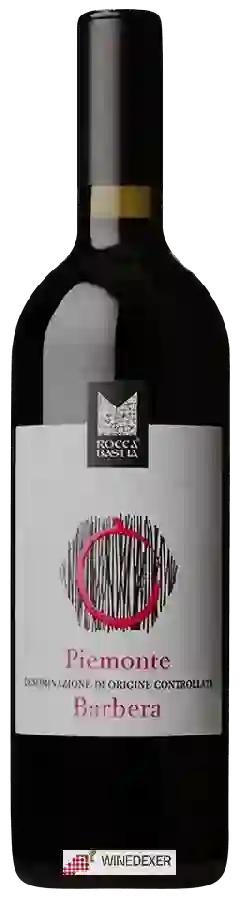
Winery Rocca BastiaBarbera
 Red wine


In the mouth this red wine is a powerful with a nice freshness.
This wine generally goes well with pork, poultry or veal.

Taste structure of the Barbera from the Winery Rocca Bastia
Light | Bold | |
Smooth | Tannic | |
Dry | Sweet | |
Soft | Acidic |
In the mouth the Barbera of Winery Rocca Bastia in the region of Piedmont is a powerful with a nice freshness.
Food and wine pairings with Barbera
Pairings that work perfectly with Barbera



Original food and wine pairings with Barbera


The Barbera of Winery Rocca Bastia matches generally quite well with dishes of pasta, veal or pork such as recipes of spaghetti with summer vegetables, sauté of veal with corsican style or magic cake cheese quiche.
Details and technical informations about Winery Rocca Bastia's Barbera.
Discover the grape variety: Petit brun
Deeply coloured and structured reds with a dark ruby colour, firm tannins and a full palate with preserved acidity, featuring signature aromas of black fruits (blackberry, blackcurrant) and southern spices (garrigue, pepper). Distinctive Aveyron identity. Now rare, preserved for its heritage value; it survives in a few Aveyron plots and belongs to the ancient South-West varieties under study. Indigenous French black variety from the South-West, grown in Aveyron.
Last vintages of this wine
The best vintages of Barbera from Winery Rocca Bastia are 0
Informations about the Winery Rocca Bastia
The Winery Rocca Bastia is one of of the world's great estates. It offers 17 wines for sale in the of Piedmont to come and discover on site or to buy online.

The wine region of Piedmont
Kingdom of Nebbiolo: Barolo and Barbaresco DOCG, long-ageing reds with firm tannins and lively acidity, complex aromas of withered rose, sour cherry, tar, truffle and undergrowth. More accessible, tangy Barbera on red fruit, supple, crisp Dolcetto. Sweet, floral sparkling Moscato d'Asti, mineral, lemony Gavi (Cortese) white, round, almondy Arneis from Roero. 50,000 ha across the Langhe, Roero and Monferrato, UNESCO.
The word of the wine: ODG
Organisation for the defence and management of wine, set up following the reform of the "syndicats de crus". The ODG is the collective organisation responsible for the defence and management of a product under an official sign of identification and quality and between wine appellations.




