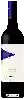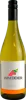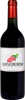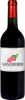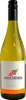
Winery Robert Oatley'Gold Band' Cabernet Sauvignon
 wine
wine
This wine generally goes well with
The 'Gold Band' Cabernet Sauvignon of the Winery Robert Oatley is in the top 0 of wines of Margaret River.
Details and technical informations about Winery Robert Oatley's 'Gold Band' Cabernet Sauvignon.
Discover the grape variety: Melon blanc et rouge
Very old Burgundian grape variety. According to published genetic analyses, it is the result of a natural cross between Pinot and Gouais, which are the same parents of Gamay. Melon can be found in Germany, Croatia, Bulgaria, ... in France it is nowadays mostly multiplied in the Loire Valley, registered in the Official Catalogue of wine grape varieties, list A1.
Informations about the Winery Robert Oatley
The Winery Robert Oatley is one of of the world's great estates. It offers 70 wines for sale in the of Margaret River to come and discover on site or to buy online.

The wine region of Margaret River
The wine region of Margaret River is located in the region of South West Australia of Australie de l'Ouest of Australia. We currently count 442 estates and châteaux in the of Margaret River, producing 2302 different wines in conventional, organic and biodynamic agriculture. The wines of Margaret River go well with generally quite well with dishes .
The wine region of Australie de l'Ouest
Western Australia is the largest of Australia's eight administrative areas and territories. In 2020, it accounted for only 2% of the nation's wine production, but has already produced up to 20% of the country's fine wines. Covering the entire western third of the vast island-continent, "WA" (as it is commonly known) stretches 1,600 kilometres (1,000 miles) from east to west. This makes it the second largest administrative subdivision of any country in the world, larger than Alaska and Texas combined.
The word of the wine: Deposit
Solid particles that can naturally coat the bottom of a bottle of wine. It is rather a guarantee that the wine has not been mistreated: in fact, to avoid the natural deposit, rather violent processes of filtration or cold passage (- 7 or - 8 °C) are used in order to precipitate the tartar (the small white crystals that some people confuse with crystallized sugar: just taste to dissuade you from it)