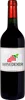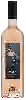
Winery Rives & TerrassesSable de Camargue Rosé
 Pink wine



This wine generally goes well with
Details and technical informations about Winery Rives & Terrasses's Sable de Camargue Rosé.
Discover the grape variety: Danuta
A cross obtained in 1964 between the Beirut date palm and the 75 Pirovano or sultana moscata. In 1990, Danuta was registered in the Official Catalogue of table grape varieties, list A1.
Last vintages of this wine
The best vintages of Sable de Camargue Rosé from Winery Rives & Terrasses are 2018
Informations about the Winery Rives & Terrasses
The Winery Rives & Terrasses is one of of the world's great estates. It offers 23 wines for sale in the of Sable de Camargue to come and discover on site or to buy online.

The wine region of Sable de Camargue
The wine region of Sable de Camargue is located in the region of Pays d'Oc of Vin de Pays of France. Wineries and vineyards like the Dune (Caveau Les Sablons) or the Domaine L'Ephémère des Embruns produce mainly wines pink, red and white. The most planted grape varieties in the region of Sable de Camargue are Merlot, Cabernet-Sauvignon and Chardonnay, they are then used in wines in blends or as a single variety. On the nose of Sable de Camargue often reveals types of flavors of cream, saline or pear and sometimes also flavors of honey, pineapple or tropical.
The wine region of Pays d'Oc
Pays d'Oc is the PGI for red, white and rosé wines that are produced over a wide area of the southern coast of France. The PGI catchment area corresponds roughly to the Languedoc-roussillon">Languedoc-Roussillon wine region, one of the largest wine regions in France. The area covers all wines that are not produced under the strict laws that govern AOC-level appellations in the regions: among them, Corbières, Minervois and the Languedoc appellation itself. The Pays d'Oc PGI is arguably the most important in France, producing the majority of the country's PGI wines.
The word of the wine: Liquid
Sweet wine containing more than 50 grams of residual sugar per liter. Sweet wines are made from grapes often affected by botrytis cinerea and concentrated either by passerillage (drying of the grapes on the vine stock), or after the harvest (straw wines), or by the cold (ice wines).