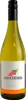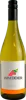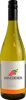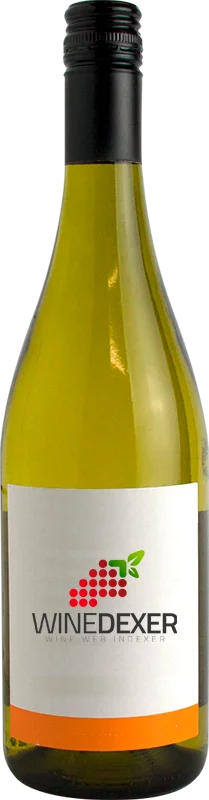
Winery Rivages & CepagesVin De Pays Charentais Sauvignon
 White wine


This wine generally goes well with vegetarian, rich fish (salmon, tuna etc) or shellfish.
Food and wine pairings with Vin De Pays Charentais Sauvignon
Pairings that work perfectly with Vin De Pays Charentais Sauvignon



Original food and wine pairings with Vin De Pays Charentais Sauvignon
The Vin De Pays Charentais Sauvignon of Winery Rivages & Cepages matches generally quite well with dishes of rich fish (salmon, tuna etc), shellfish or vegetarian such as recipes of irish tartiflette, periwinkles - the perfect cook! or quiche without pastry, courgette and blue cheese.
Details and technical informations about Winery Rivages & Cepages's Vin De Pays Charentais Sauvignon.
Discover the grape variety: Chenin
Chenin Blanc is a grape variety that originated in France (Loire Valley). It produces a variety of grape specially used for the elaboration of wine. It is rare to find this grape to eat on our tables. This variety of grape is characterized by bunches of medium size, and grapes of medium caliber. Chenin Blanc can be found in many vineyards: Loire Valley, South West, Languedoc & Roussillon, Cognac, Bordeaux, Armagnac, Burgundy, Rhone Valley, Beaujolais, Provence & Corsica, Savoie & Bugey.
Informations about the Winery Rivages & Cepages
The Winery Rivages & Cepages is one of of the world's greatest estates. It offers 2 wines for sale in the of Cognac to come and discover on site or to buy online.

The wine region of Cognac
Cognac is the most famous brandy in the world, more famous even than its OldGascon cousin, Armagnac. It comes from the Charentais, a vast region of western France immediately North of Bordeaux, and takes its name from the historic town of Cognac - the long-standing epicentre of local brandy production. In French, cognac is technically classified as an eau-de-vie de vin - a category that covers all spirits distilled from wine. The Full and official name of the brandy is actually "Eau-de-Vie de Cognac" or "Eau-de-Vie des Charentes", but the Short version has become so common that these longer versions almost never appear on labels.
The word of the wine: Mouth
The mouth is the third stage of wine tasting after the eye and nose. In the mouth, the taster identifies the aromas through the retronasal route, the flavours and the texture. It is in the mouth that the overall balance of the wine is apprehended.