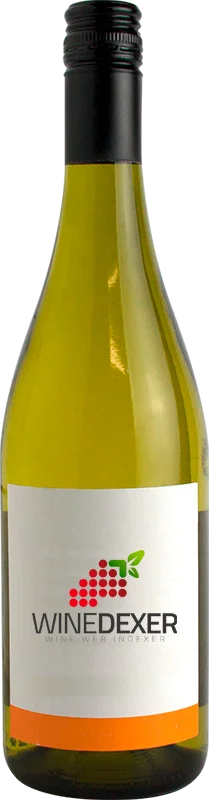
Winery RitterSauvignon Blanc Trocken
 White wine
In the mouth this white wine is a with a nice freshness.
This wine generally goes well with vegetarian, shellfish or goat cheese.

Taste structure of the Sauvignon Blanc Trocken from the Winery Ritter
Light | Bold | |
Dry | Sweet | |
Soft | Acidic |
In the mouth the Sauvignon Blanc Trocken of Winery Ritter in the region of Nahe is a with a nice freshness.
Food and wine pairings with Sauvignon Blanc Trocken
Pairings that work perfectly with Sauvignon Blanc Trocken



Original food and wine pairings with Sauvignon Blanc Trocken
The Sauvignon Blanc Trocken of Winery Ritter matches generally quite well with dishes of shellfish, vegetarian or goat cheese such as recipes of fondue with lao sukiyaki sauce (laos), leek, goat cheese and bacon quiche or ravioli with goat cheese and honey.
Details and technical informations about Winery Ritter's Sauvignon Blanc Trocken.
Discover the grape variety: Araignan
Simple, fresh whites with a pale golden robe, supple palate with moderate acidity, showing understated citrus and white flower aromas. Discreet rustic Béarnais profile. Now almost extinct, preserved in a few heritage plots of Béarn and studied for its ampelographic and historical interest. White French autochtone variety from the South-West, in Béarn, very rare.
Informations about the Winery Ritter
The Winery Ritter is one of of the world's greatest estates. It offers 32 wines for sale in the of Nahe to come and discover on site or to buy online.

The wine region of Nahe
Homeland of a mineral Riesling of exceptional geological expression: lively, precise whites with notes of peach, citrus, green apple, gunflint and fine salinity, from taut dry to botrytised sweet. 75% whites, Riesling king (27%) complemented by round Pinot Gris and supple Pinot Blanc. Rising reds: silky Spätburgunder with red fruit, darker Dornfelder. 4,240 ha along the Nahe river, among the most diverse soils in Germany (180 formations).
The word of the wine: Shipping (liquor)
In champagne and wines made according to the traditional method, wine is added before corking to fill the void in the bottle created by disgorging. This added wine is often sweetened by sugar incorporated in variable proportions according to the style of wine sought (see dosage). Syn.: liqueur de dosage.