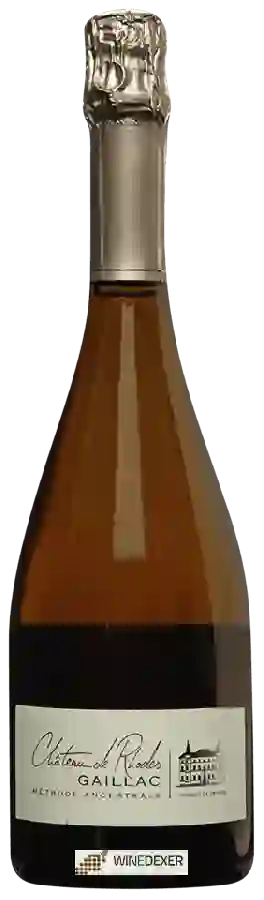
Château de RhodesGaillac Brut
 Sparkling wine


This wine generally goes well with
The Gaillac Brut of the Château de Rhodes is in the top 60 of wines of Gaillac.

Wine flavors and olphactive analysis

On the nose the Gaillac Brut of Château de Rhodes in the region of South West often reveals types of flavors of tree fruit, citrus fruit.
Details and technical informations about Château de Rhodes's Gaillac Brut.
Discover the grape variety: Mauzac
Lively and distinctive whites with firm acidity and a lean palate, on typical aromas of green apple, pear, quince, honey, white flowers and waxy notes. Made as dry whites (Gaillac AOC), sweet passito-style wines and especially iconic sparkling wines: Blanquette de Limoux AOC and Blanquette méthode ancestrale AOC (the oldest documented sparkling method, 1531 at Saint-Hilaire). Also in Crémant de Limoux AOC. Native South-West French variety.
Last vintages of this wine
The best vintages of Gaillac Brut from Château de Rhodes are 2016
Informations about the Château de Rhodes
The Château de Rhodes is one of of the world's greatest estates. It offers 11 wines for sale in the of Gaillac to come and discover on site or to buy online.

The wine region of Gaillac
Millennia-old South-West mosaic (banks of the Tarn) with rare native grapes: Mauzac reigns in whites — dry, pearled or sweet with notes of apple, pear, honey and white flowers, signature freshness. Ample Loin-de-l'œil and Ondenc complement. Duras in spicy, peppery reds, fleshy Braucol (Fer Servadou) (blackcurrant, raspberry, blackberry, structured tannins) and Syrah in blends. Iconic ancestral-method Gaillac sparkling.
The wine region of South West
French mosaic of strong identities south of Bordeaux. Cahors and its Malbec ("black wine"): deep reds with notes of blackberry, plum, violet, tobacco and cocoa, firm tannins. Madiran and its dense, age-worthy Tannat. Jurançon whites: golden sweet (apricot, honey, pineapple) and lively dry from Petit Manseng.
The word of the wine: Thinning
Also known as green harvesting, the practice of removing excess bunches of grapes from certain vines, usually in July, but sometimes later. This is often necessary, but not always a good thing, as the remaining bunches often gain weight.