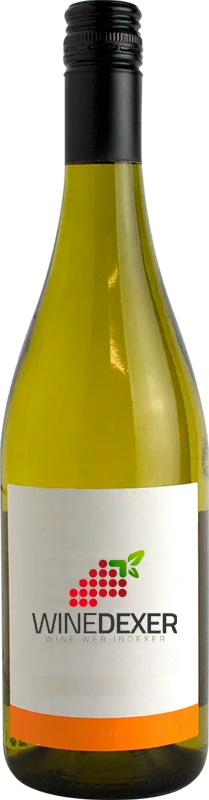
Winery Rheinberg KellereiMuskat Ottonel Lieblich
 White wine



This wine generally goes well with

Details and technical informations about Winery Rheinberg Kellerei's Muskat Ottonel Lieblich.
Discover the grape variety: Muscat Ottonel
Delicate and fine muscat whites with a tender palate and moderate acidity, on intense and refined aromas of orange blossom, rose, fresh grape, citrus, white peach and airy muscat (more subtle than Muscat Blanc à Petits Grains). Made as aromatic dry aperitif whites (Alsace, Baden), off-dry and sumptuous botrytised liquoreux (Burgenland in Austria, Cotnari in Romania, Tokaj). Created in the 19th century by Robert Moreau (Angers), a cross of Chasselas × Muscat de Saumur.
Last vintages of this wine
The best vintages of Muskat Ottonel Lieblich from Winery Rheinberg Kellerei are 2013, 0
Informations about the Winery Rheinberg Kellerei
The Winery Rheinberg Kellerei is one of of the world's greatest estates. It offers 81 wines for sale in the of Rheinhessen to come and discover on site or to buy online.

The wine region of Rheinhessen
71% white region: Riesling is king (5,000 ha), dry to off-dry, ripe yellow fruit, apple, citrus and fine saline minerality. Supple, floral Müller-Thurgau for everyday, the world's largest Silvaner plantation with herbaceous, straight notes. Historic cradle of off-sweet Liebfraumilch. Some supple reds (Dornfelder, Spätburgunder).
The word of the wine: Suave
Said of a fine and unctuous wine.