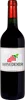
Winery RéthoréAnjou Rouge
 Red wine
This wine generally goes well with pork, poultry or beef.

Food and wine pairings with Anjou Rouge
Pairings that work perfectly with Anjou Rouge



Original food and wine pairings with Anjou Rouge


The Anjou Rouge of Winery Réthoré matches generally quite well with dishes of beef, pork or game (deer, venison) such as recipes of traditional flemish carbonades, boeuf en daube or potjevleesch.
Details and technical informations about Winery Réthoré's Anjou Rouge.
Discover the grape variety: Cabernet franc
Supple, fragrant reds with fine tannins and vibrant freshness, showing raspberry, violet, green pepper, pencil lead and gentle spice aromas. Star of the Loire as a single variety (Chinon, Bourgueil, Saumur-Champigny) and of the right bank of Bordeaux in blends (Cheval Blanc at 60%). Also in semi-dry Anjou rosés. A historic Bordeaux variety, parent of Cabernet-Sauvignon, Merlot and Carmenère.
Informations about the Winery Réthoré
The Winery Réthoré is one of of the world's greatest estates. It offers 14 wines for sale in the of Anjou to come and discover on site or to buy online.

The wine region of Anjou
Loire mosaic between schist (black Anjou) and tuffeau (white Anjou): signature Chenin as the white king (≥80%) — dry to sweet with notes of citrus, apple, pear, quince, mirabelle, honey and a mineral touch, racy natural acidity and great ageing on the best. Cabernet Franc in fruity, supple reds (strawberry, cherry, raspberry, violet) and in indulgent off-dry rosés. Grolleau and Pineau d'Aunis as support. AOC of Maine-et-Loire, mild oceanic climate, moderate yields.
The wine region of Loire Valley
Kingdom of lively, dry whites and fine sparklers. Mineral, taut Sauvignon Blanc (Sancerre, Pouilly-Fumé) with citrus and gunflint notes. Multiform Chenin Blanc (Vouvray, Savennières, Layon): straight dry, floral off-dry or noble sweet honey-quince. Saline, iodised Muscadet (Melon B.
The word of the wine: Tanin
A natural compound contained in the skin of the grape, the seed or the woody part of the bunch, the stalk. The maceration of red wines allows the extraction of tannins, which give the texture, the solidity and also the mellowness when the tannins are "ripe". The winemaker seeks above all to extract the tannins from the skin, the ripest and most noble. The tannins of the seed or stalk, which are "greener", especially in average years, give the wine hardness and astringency. The wines of Bordeaux (based on Cabernet and Merlot) are full of tannins, those of Burgundy much less so, with Pinot Noir containing little.