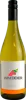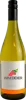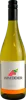
Winery Rene KientzTerroir Edelzwicker Alsace
 White wine
This wine generally goes well with
Details and technical informations about Winery Rene Kientz's Terroir Edelzwicker Alsace.
Discover the grape variety: Zinfandel
From Croatia where it is called crljenak kastelanski or pribidrag. According to genetic analyses carried out by Professor Carole Meredith of California University in Davis (United States), it is related to the Croatian plavac mali and Zinfandel. It is also found in South Africa, New Zealand, Chile, Brazil, Germany, Bulgaria, Albania, Italy under the name of Primitivo, Malta, Greece, Portugal and to some extent in Croatia. In the United States (California), it is one of the most widely planted grape varieties, having been introduced in the 1830s well before Primitivo. In France, it is registered in the official catalogue of vine varieties on the A1 list under the name Primitivo.
Informations about the Winery Rene Kientz
The Winery Rene Kientz is one of of the world's great estates. It offers 26 wines for sale in the of Alsace to come and discover on site or to buy online.

The wine region of Alsace
Alsace, located in the extreme north-east of France, is Distinguished from other French wine regions by its strong Franco-Germanic influences. These influences are the result of a back-and-forth between the German and French sovereignties over the last few centuries. They can be seen not only in the architecture and culture of Alsace, but also in the wines. Alsace wines are produced under three main appellations: Alsace and Alsace Grand Cru for still white wines (Sweet and Dry), and Crémant d'Alsace for Sparkling wines.
The word of the wine: White winemaking
White wines are obtained by fermentation of the juice after pressing. A pre-fermentation maceration is sometimes practiced to extract the aromatic substances from the skins. White wines are normally made from white grapes, but can also be made from red grapes (blanc de noirs). The grapes are then pressed as soon as they arrive at the vat house without maceration in order to prevent the colouring matter contained in the skins from "staining" the wine.