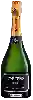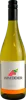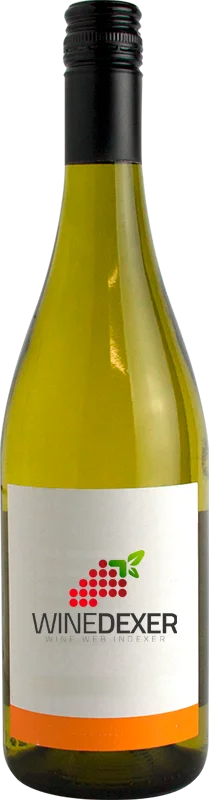
Winery Reggio di CastelaMistela Moscato Giallo
 Sweet wine


This wine generally goes well with

Details and technical informations about Winery Reggio di Castela's Mistela Moscato Giallo.
Discover the grape variety: Tamjanika Bela
Intensely aromatic muscat whites with a pale golden robe, an ample palate, and explosive signature aromas of muscat, white flowers (orange blossom, jasmine), exotic fruits and fresh grapes. Also as sweet and late-harvest styles. Grown in central Serbia and North Macedonia (Tikves), it defines the aromatic identity of modern Balkan whites. Autochthonous white grape of Serbia and North Macedonia, genetically related to Muscat Blanc a Petits Grains.
Last vintages of this wine
The best vintages of Mistela Moscato Giallo from Winery Reggio di Castela are 0
Informations about the Winery Reggio di Castela
The Winery Reggio di Castela is one of of the world's greatest estates. It offers 2 wines for sale in the of Serra Gaúcha to come and discover on site or to buy online.

The wine region of Serra Gaúcha
Brazil's wine capital, Rio Grande do Sul. Specialty: high-quality traditional-method sparklers, fine and fruity (apple, citrus, white flowers), elegant bubble, alpine expression of the south. Still wines mostly European: round fruity Merlot, firm Cabernet Sauvignon, more tannic Tannat, fresh Chardonnay, supple Riesling Italico, fine Pinot Noir. Marked by Italian immigration in 1875, humid climate tempered by altitude.
The wine region of Rio Grande do Sul
Brazil's winemaking heart (~80% of production), Italian tradition. Recognised specialty: traditional-method sparkling wines (espumantes), fresh and fruity, based on Chardonnay and Pinot Noir, among South America's finest. Accessible reds: supple, fruity Merlot (plum, cherry), fleshy Cabernet Sauvignon, dense, tannic Tannat. Round Chardonnay, light Riesling Italico, sweet, floral Moscato whites.
The word of the wine: Oenologist
Specialist in wine-making techniques. It is a profession and not a passion: one can be an oenophile without being an oenologist (and the opposite too!). Formerly attached to the Faculty of Pharmacy, oenology studies have become independent and have their own university course. Learning to make wine requires a good chemical background but also, increasingly, a good knowledge of the plant. Some oenologists work in laboratories (analysis). Others, the consulting oenologists, work directly in the properties.