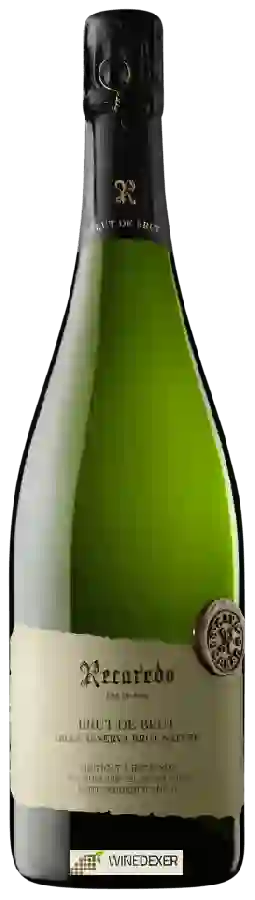
Winery RecaredoBrut de Brut Gran Reserva Brut Nature
 wine
wine
This wine generally goes well with
The Brut de Brut Gran Reserva Brut Nature of the Winery Recaredo is in the top 0 of wines of Penedès.

Details and technical informations about Winery Recaredo's Brut de Brut Gran Reserva Brut Nature.
Discover the grape variety: Cariñena
Powerful, structured reds with a near-black inky color, firm tannins and a dense palate, offering intense aromas of ripe black fruits (blackberry, blackcurrant, plum), candied cherry, liquorice, spices, garrigue and balsamic notes. Fine cellaring potential, excelling in old vines on poor soils. Pillar of great Priorat DOQ, Montsant DO, Empordà DO reds and the signature of DO Cariñena (Aragón). Spanish name for carignan, a historic Mediterranean variety originating in Aragón.
Last vintages of this wine


The best vintages of Brut de Brut Gran Reserva Brut Nature from Winery Recaredo are 0
Informations about the Winery Recaredo
The Winery Recaredo is one of of the world's great estates. It offers 24 wines for sale in the of Penedès to come and discover on site or to buy online.

The wine region of Penedès
Historic cradle of Cava (95% of Spanish output, centred on Sant Sadurní d'Anoia): traditional-method sparklers, convivial and brioche-like. Indigenous trilogy: signature Xarel-lo (body, herbaceous and almondy notes), Macabeo (apple, freshness), Parellada (floral elegance). Still wines ~80% white from the same grapes, straight and accessible. Also sunny Garnacha, Cabernet and Pinot Noir.
The wine region of Catalogne
Cradle of Cava (~95% of Spanish output, traditional method): Macabeo, Xarel-lo, Parellada trilogy, fine fruity bubble. Quality peak in Priorat DOCa: dense, mineral reds on llicorella (schist), old-vine Garnacha and Cariñena with black fruit, garrigue notes, firm tannins. Also Penedès, fleshy Montsant, sunny Empordà, Costers del Segre. Mediterranean.
The word of the wine: Ancestral method
A method of making certain sparkling wines such as blanquette de Limoux, sparkling gaillac or clairette de Die, which consists of a second fermentation in the bottle based on natural sugars and yeasts naturally brought by the grapes (unlike the méthode champenoise, which requires the addition of tirage liquor).