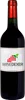
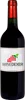
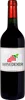
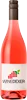
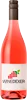
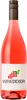
Winery RappahannockBlack Label Rosé
 Pink wine



This wine is a blend of 5 varietals which are the Cabernet franc, the Cabernet-Sauvignon, the Malbec, the Petit Verdot and the Merlot.
This wine generally goes well with pork, poultry or beef.
The Black Label Rosé of the Winery Rappahannock is in the top 30 of wines of Virginia.

Food and wine pairings with Black Label Rosé
Pairings that work perfectly with Black Label Rosé



Original food and wine pairings with Black Label Rosé



The Black Label Rosé of Winery Rappahannock matches generally quite well with dishes of beef, lamb or pork such as recipes of beef kidney, rack of lamb with antiboise sauce or broccoli gratin.
Details and technical informations about Winery Rappahannock's Black Label Rosé.
Discover the grape variety: Cabernet franc
Supple, fragrant reds with fine tannins and vibrant freshness, showing raspberry, violet, green pepper, pencil lead and gentle spice aromas. Star of the Loire as a single variety (Chinon, Bourgueil, Saumur-Champigny) and of the right bank of Bordeaux in blends (Cheval Blanc at 60%). Also in semi-dry Anjou rosés. A historic Bordeaux variety, parent of Cabernet-Sauvignon, Merlot and Carmenère.
Last vintages of this wine
The best vintages of Black Label Rosé from Winery Rappahannock are 0, 2012, 2013
Informations about the Winery Rappahannock
The Winery Rappahannock is one of of the world's greatest estates. It offers 44 wines for sale in the of Virginia to come and discover on site or to buy online.

The wine region of Virginia
Quality pole of the American east coast, unique signature in Viognier: ample, fragrant whites with notes of apricot, white peach, honey and flowers, silky on the palate. Cabernet Franc star in red, fine and fresh (raspberry, ripe pepper, spices). Also dense Petit Verdot, round Merlot, balanced Chardonnay, Vidal Blanc and native Norton. Humid continental climate tempered by the Appalachians, 8 AVAs (Monticello, Shenandoah).
The word of the wine: Runoff
Failure of the vine flower to fertilize at the time of flowering, when the weather is too cold or rainy. Under these conditions, the vine will have few or no clusters.