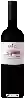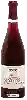
Winery RapinoFrancesco Paolo Michetti Montepulciano d'Abruzzo
 wine
wine
This wine generally goes well with
The Francesco Paolo Michetti Montepulciano d'Abruzzo of the Winery Rapino is in the top 0 of wines of Montepulciano d'Abruzzo.

Details and technical informations about Winery Rapino's Francesco Paolo Michetti Montepulciano d'Abruzzo.
Discover the grape variety: Trebbiano
Fresh, thirst-quenching dry whites with a pale robe, a supple palate and preserved acidity of simple citrus (lemon), green apple, white flowers and neutral notes. A light profile to drink young. A family with several varieties (Toscano, Romagnolo, d'Abruzzo, Giallo), pillar of everyday Italian whites (Orvieto DOC, Frascati DOC, Trebbiano d'Abruzzo DOC). Exported to France as ugni blanc for Cognac and Armagnac distillation.
Informations about the Winery Rapino
The Winery Rapino is one of of the world's great estates. It offers 9 wines for sale in the of Montepulciano d'Abruzzo to come and discover on site or to buy online.

The wine region of Montepulciano d'Abruzzo
Italian star of accessible, structured reds (no link to the Tuscan town). Montepulciano grape (min. 85%): deep robe, intense aromas of black cherry, ripe plum, sweet spices and balsamic notes, round tannins and a juicy finish. Direct, fruity everyday style, or denser Riserva aged in barrel for cellaring.
The wine region of Abruzzo
Accessible, identity-driven Italian duo. Montepulciano d'Abruzzo as red: deep colour, intense aromas of black cherry, ripe plum, sweet spices and balsamic notes, round tannins and a gourmet finish, from everyday to age-worthy Riserva. Cerasuolo d'Abruzzo DOCG as a fleshy, fruity rosé (strawberry, pomegranate). Trebbiano d'Abruzzo as a straight white with citrus and white flowers, sublimated by a few cult producers (Valentini).
The word of the wine: Solera
A method of maturing practiced in Andalusia for certain sherries, which aims to continuously blend older and younger wines. It consists of stacking several layers of barrels; those located at ground level (solera) contain the oldest wines, the youngest being stored in the barrels on the upper level. The wine to be bottled is taken from the barrels on the lower level, which is replaced by younger wine from the upper level, and so on.