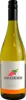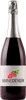
Winery Quintas de CaizDivertido
 wine
wine
This wine generally goes well with
The Divertido of the Winery Quintas de Caiz is in the top 0 of wines of Vinho Verde.
Details and technical informations about Winery Quintas de Caiz's Divertido.
Discover the grape variety: Verdicchio blanc
This grape variety was known for a long time in the central region of Italy and is now cultivated in almost all the wine-producing regions of this country. Under the name of peverella, it can still be found in Brazil, where it has occupied large areas for a long time. In France, it is almost unknown. It would seem that it has many relatives, in particular with varieties of Italian origin, known or little known, without us being able to quote them with certainty because the doubt still remains, to be followed! The pink verdicchio exists but is not related to any of them.
Last vintages of this wine



The best vintages of Divertido from Winery Quintas de Caiz are 0
Informations about the Winery Quintas de Caiz
The Winery Quintas de Caiz is one of of the world's great estates. It offers 17 wines for sale in the of Vinho Verde to come and discover on site or to buy online.

The wine region of Vinho Verde
The wine region of Vinho Verde is located in the region of Minho of Portugal. We currently count 535 estates and châteaux in the of Vinho Verde, producing 1615 different wines in conventional, organic and biodynamic agriculture. The wines of Vinho Verde go well with generally quite well with dishes .
The wine region of Minho
Minho is Portugal's Northernmost wine region. It is known for one wine style above all others: crisp, light, white Vinho Verde, whose DOC zone covers the same territory. The Minho name is used for the area's Vinho Regional designation (similar to the French IGP). The latter's looser production laws allow more diversity in the average winery's portfolio, including red and rosé wines.
The word of the wine: Muscat blanc à petits grains
A white grape variety cultivated since antiquity on the shores of the Mediterranean, it is considered the noblest of the muscats. It is mainly used to make sweet wines, often from mutage. In France, it is the sole variety used in many natural sweet wines: muscat-de-frontignan, muscat-de-mireval, muscat-de-lunel, muscat-de-saint-jean-de-minervois, muscat-de-beaumes-de-venise, muscat-du-cap-corse. Combined with Muscat d'Alexandrie, it gives Muscat-de-Rivesaltes. It is also used to make sparkling white wines (clairette-de-die; moscato d'asti and asti spumante in Italy) and dry wines (alsace-muscat). Powerfully aromatic and complex, its wines evoke fresh grapes, roses, exotic fruits, citrus fruits and spices.