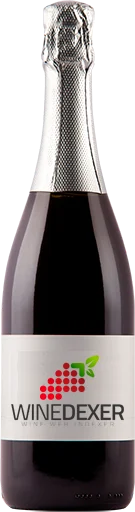
Winery CottasTinto Cão Bruto
 Sparkling wine


This wine generally goes well with

Discover the grape variety: Tinto cão
Structured, elegant reds with a deep ruby robe, fine tannins and fresh acidity, featuring aromas of red fruits, black cherry, spices, dried flowers and balsamic notes. Very good ageing and oxidative maturation capacity. An essential component of great vintage Porto (one of the five classic recommended grapes) and dry reds of Douro DOC. Very late-ripening, low-yield native Portuguese grape, saved from near-disappearance.
Last vintages of this wine
The best vintages of Tinto Cão Bruto from Winery Cottas are 2010, 0
Informations about the Winery Cottas
The Winery Cottas is one of of the world's greatest estates. It offers 15 wines for sale in the of Douro to come and discover on site or to buy online.

The wine region of Douro
Cradle of Port: opulent fortified wine with notes of candied black fruit, cocoa, fig, walnut and spice, from young fruity Ruby to oxidative amber Tawny, plus age-worthy LBV and Vintage of exceptional cellaring. Also great dry Douro DOC reds, structured and deep (violet, black-fruited Touriga Nacional, elegant Touriga Franca, spicy Tinta Roriz). A few fresh Douro whites. Terraced vineyards (~40,000 ha) UNESCO on schist.
The wine region of Duriense
Portuguese IGP covering the Douro and Porto area (northeast), schist soils on vertiginous terraced slopes, dry continental climate, flexible status outside DOC. Touriga Nacional signature as red king (300+ authorised varieties): intense and floral with blackberry, black cherry, violet, garrigue, liquorice and mineral schist hint, firm tannins — noble Douro emblem. Supple Touriga Franca and spicy Tinta Roriz as complement. Fresh mineral whites and creative modern sparkling.
The word of the wine: Maturing (champagne)
After riddling, the bottles are stored on "point", upside down, with the neck of one bottle in the bottom of the other. The duration of this maturation is very important: in contact with the dead yeasts, the wine takes on subtle aromas and gains in roundness and fatness. A brut without year must remain at least 15 months in the cellar after bottling, a vintage 36 months.