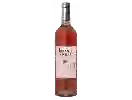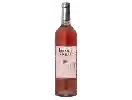
Winery Vignerons Proprietes AssociesLe Flamant Argentè Costières-de-Nîmes
 Red wine
This wine generally goes well with
Details and technical informations about Winery Vignerons Proprietes Associes's Le Flamant Argentè Costières-de-Nîmes.
Discover the grape variety: Ravat 34
Jean-François Ravat, in his published writings, has never given the names of the parents of this wine grape. For some, it comes from an interspecific cross between Chardonnay and Vitis Berlandieri. It can be found in North America and Canada, but is virtually unknown in France.
Informations about the Winery Vignerons Proprietes Associes
The Winery Vignerons Proprietes Associes is one of of the world's great estates. It offers 103 wines for sale in the of Costières-de-Nîmes to come and discover on site or to buy online.

The wine region of Costières-de-Nîmes
The wine region of Costières-de-Nîmes is located in the region of Rhône méridional of Rhone Valley of France. Wineries and vineyards like the Domaine Scamandre or the Château d'Or et de Gueules produce mainly wines red, pink and white. The most planted grape varieties in the region of Costières-de-Nîmes are Mourvèdre, Roussanne and Viognier, they are then used in wines in blends or as a single variety. On the nose of Costières-de-Nîmes often reveals types of flavors of non oak, thyme or raisin and sometimes also flavors of clove, cocoa or coffee.
The wine region of Rhone Valley
The Rhone Valley is a key wine-producing region in Southeastern France. It follows the North-south course of the Rhône for nearly 240 km, from Lyon to the Rhône delta (Bouches-du-Rhône), near the Mediterranean coast. The Length of the valley means that Rhône wines are the product of a wide variety of soil types and mesoclimates. The viticultural areas of the region cover such a distance that there is a widely accepted division between its northern and southern parts.
The word of the wine: Viscosity
Consistency of wine reminiscent of the tactile sensation of sugar syrup with varying degrees of fluidity, due to the alcohol and natural sugar in the grapes present in sweet wines. In excess, this sensation can make the wine pasty and heavy. To the eye, viscosity is referred to as tears.