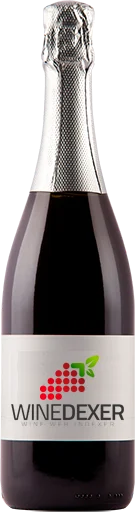
Winery Prince de CosteBlanc de Blancs Brut
 Sparkling wine



This wine generally goes well with

Details and technical informations about Winery Prince de Coste's Blanc de Blancs Brut.
Discover the grape variety: Silcher
Aromatic and lively whites to drink young, with a pale golden robe, an airy palate with preserved acidity on muscat-like aromas, white flowers, citrus (lemon) and floral notes. Also as off-dry wines. Grown on very small surfaces in Germany, remains confidential and appreciated for dry and off-dry aromatic wines. German white variety bred at Geisenheim (Riesling × Bukettrebe), late and productive.
Last vintages of this wine
The best vintages of Blanc de Blancs Brut from Winery Prince de Coste are 2016
Informations about the Winery Prince de Coste
The Winery Prince de Coste is one of of the world's greatest estates. It offers 5 wines for sale in the of Burgundy to come and discover on site or to buy online.

The wine region of Burgundy
Absolute reference for great terroir wines: opulent, mineral Chardonnay in whites (chiselled Chablis, buttery Meursault, majestic Montrachet), fine and silky Pinot Noir in reds (full-bodied Gevrey, structured Pommard, delicate Volnay). Exceptional age-worthy wines with complex notes - red fruits, undergrowth, butter, hazelnut. Some lively Aligoté and light Gamay (Mâconnais). 29,500 ha, 84 tiered AOCs (Régionale, Village, 1er Cru, Grand Cru), 1,247 UNESCO Climats.
The word of the wine: Fleshy
Said of a wine that gives the impression of being dense and smooth, a bit like biting into the flesh of a ripe fruit.