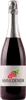
Winery Prima MazzoRed Moscato
 Sparkling wine


This wine generally goes well with sweet desserts

Food and wine pairings with Red Moscato
Pairings that work perfectly with Red Moscato

Original food and wine pairings with Red Moscato
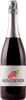
The Red Moscato of Winery Prima Mazzo matches generally quite well with dishes of sweet desserts such as recipes of very simple muffins.
Details and technical informations about Winery Prima Mazzo's Red Moscato.
Discover the grape variety: Malvoisie de Lipari
Intense and candied passito dessert wines with an amber golden robe, a dense and unctuous palate, with signature aromas of dried fruits (dried apricot, fig), honey, white flowers (orange blossom), candied citrus and balsamic notes. A legendary Aeolian profile with very great length. The absolute star of the Malvasia delle Lipari DOC, one of the great Mediterranean dessert wines. French synonym for Malvasia di Lipari, native Italian white grape from the Aeolian Islands.
Last vintages of this wine
The best vintages of Red Moscato from Winery Prima Mazzo are 0
Informations about the Winery Prima Mazzo
The Winery Prima Mazzo is one of of the world's greatest estates. It offers 9 wines for sale in the of Piedmont to come and discover on site or to buy online.

The wine region of Piedmont
Kingdom of Nebbiolo: Barolo and Barbaresco DOCG, long-ageing reds with firm tannins and lively acidity, complex aromas of withered rose, sour cherry, tar, truffle and undergrowth. More accessible, tangy Barbera on red fruit, supple, crisp Dolcetto. Sweet, floral sparkling Moscato d'Asti, mineral, lemony Gavi (Cortese) white, round, almondy Arneis from Roero. 50,000 ha across the Langhe, Roero and Monferrato, UNESCO.
The word of the wine: Residual sugars
Sugars not transformed into alcohol and naturally present in the wine. The perception of residual sugars is conditioned by the acidity of the wine. The more acidic the wine is, the less sweet it will seem, given the same amount of sugar.