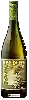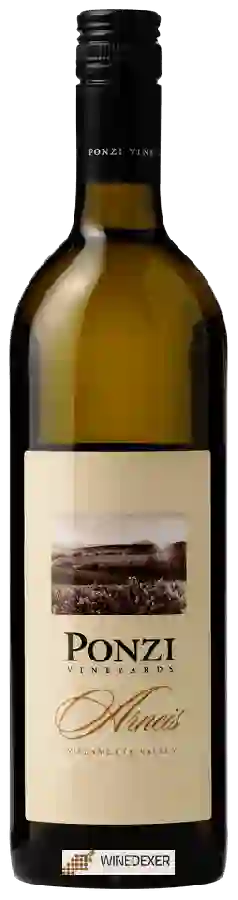
Winery PonziArneis
 White wine


This wine generally goes well with

Wine flavors and olphactive analysis



On the nose the Arneis of Winery Ponzi in the region of Oregon often reveals types of flavors of non oak, earth or microbio and sometimes also flavors of oak, tree fruit or citrus fruit.
Details and technical informations about Winery Ponzi's Arneis.
Discover the grape variety: Doçal
Simple, fresh whites best drunk young, with a pale golden robe, a light palate with moderate acidity, and discreet aromas of citrus, white flowers and neutral notes. A rare heritage profile. Practically disappeared from commercial cultivation, preserved in a few heritage plots and studied by Portuguese ampelography centres. Rare Portuguese white grape grown in the north of the country, in Trás-os-Montes.
Last vintages of this wine

The best vintages of Arneis from Winery Ponzi are 2012, 2014, 0, 2015
Informations about the Winery Ponzi
The Winery Ponzi is one of of the world's great estates. It offers 49 wines for sale in the of Willamette Valley to come and discover on site or to buy online.

The wine region of Willamette Valley
World benchmark for Pinot Noir outside Burgundy: elegant, fine reds with notes of cherry, raspberry, plum, undergrowth, damp earth and sweet spices, silky tannins and acidity preserved by the cool climate. Star grape on volcanic soils (Jory), Burgundian latitude (45°). Also taut Chardonnay in full quality rise, round Pinot Gris and lively Riesling. Oregon's main AVA (240 km between Coast Range and Cascades).
The wine region of Oregon
American benchmark for fresh, elegant Pinot Noir. Fine, silky reds with signature notes of red cherry, raspberry, wild strawberry, undergrowth and spice, delicate tannins and taut freshness — the closest style to Burgundy outside France. Iconic Willamette Valley on volcanic (Jory) and marine soils. Also precise, mineral Chardonnay, ample Pinot Gris (pear, honey), taut Riesling.
The word of the wine: Gourmet
Unproductive shoot growing on the trunk of the vine.