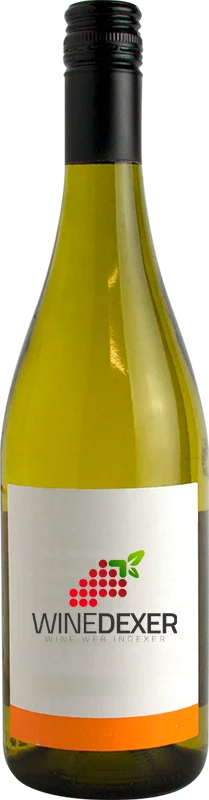
Winery Pontet FerrandLe Vieux Pont Bordeaux Demi-Sec
 White wine
This wine generally goes well with pork, vegetarian or poultry.
Food and wine pairings with Le Vieux Pont Bordeaux Demi-Sec
Pairings that work perfectly with Le Vieux Pont Bordeaux Demi-Sec



Original food and wine pairings with Le Vieux Pont Bordeaux Demi-Sec


The Le Vieux Pont Bordeaux Demi-Sec of Winery Pontet Ferrand matches generally quite well with dishes of pork, vegetarian or poultry such as recipes of bare-assed cockerel (ardennes), zucchini and goat cheese quiche or genuine chicken tagine olive and lemon confit tagine with argan oil.
Details and technical informations about Winery Pontet Ferrand's Le Vieux Pont Bordeaux Demi-Sec.
Discover the grape variety: Merlot noir
This grape variety most certainly originates from the Bordeaux region and is registered in the Official Catalogue of vine varieties, list A1. According to genetic analyses carried out in Montpellier (Hérault), it is the result of a cross between the magdeleine noire des Charentes and the cabernet franc. It should also be noted that it is the half-brother of the côt or malbec and that it is not the black form of the white merlot, but its resemblance reminds us that it is indeed a descendant.
Informations about the Winery Pontet Ferrand
The Winery Pontet Ferrand is one of of the world's greatest estates. It offers 17 wines for sale in the of Bordeaux to come and discover on site or to buy online.

The wine region of Bordeaux
Bordeaux, in southwestern France, is one of the most famous, prestigious and prolific wine regions in the world. The majority of Bordeaux wines (nearly 90% of the production Volume) are the Dry, medium and Full-bodied red Bordeaux blends for which it is famous. The finest (and most expensive) are the wines of the great châteaux of Haut-Médoc and the right bank appellations of Saint-Émilion and Pomerol. The former focuses (at the highest level) on Cabernet Sauvignon, the latter on Merlot.
The word of the wine: Old vines
There are no specific regulations governing the term "vieilles vignes". After 20 to 25 years, the yields stabilize and tend to decrease, the vines are deeply rooted, and the grapes that come from them give richer, more concentrated, more sappy wines, expressing with more nuance the characteristics of their terroir. It is possible to find plots of vines that claim to be a century old.