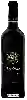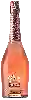
Winery Ponte VilloniProsecco Rosé
 wine
wine
This wine generally goes well with
The Prosecco Rosé of the Winery Ponte Villoni is in the top 0 of wines of Prosecco.
Details and technical informations about Winery Ponte Villoni's Prosecco Rosé.
Discover the grape variety: Alicante Bouschet
It is a crossbreed made in 1855 by Louis and Henri Bouschet from an intraspecific crossing between Grenache noir and Petit Bouschet. The Alicante Henri Bouschet is less and less multiplied, registered however in the Official Catalogue of the varieties of vine of wine grapes list A.
Last vintages of this wine


The best vintages of Prosecco Rosé from Winery Ponte Villoni are 0
Informations about the Winery Ponte Villoni
The Winery Ponte Villoni is one of of the world's greatest estates. It offers 6 wines for sale in the of Prosecco to come and discover on site or to buy online.

The wine region of Prosecco
The wine region of Prosecco is located in the region of Vénétie of Italy. We currently count 1461 estates and châteaux in the of Prosecco, producing 2419 different wines in conventional, organic and biodynamic agriculture. The wines of Prosecco go well with generally quite well with dishes .
The wine region of Veneto
Veneto is an important and growing wine region in northeastern Italy. Veneto is administratively Part of the Triveneto area, aLong with its smaller neighbors, Trentino-Alto Adige and Friuli-Venezia Giulia. In terms of geography, culture and wine styles, it represents a transition from the Alpine and Germanic-Slavic end of Italy to the warmer, drier, more Roman lands to the South. Veneto is slightly smaller than the other major Italian wine regions - Piedmont, Tuscany, Lombardy, Puglia and Sicily - but it produces more wine than any of them.
The word of the wine: Nebuchadnezzar
Bottle with a capacity of 15 litres.