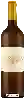
Winery PoljšakSauvignon
 White wine


This wine generally goes well with vegetarian, rich fish (salmon, tuna etc) or shellfish.

Wine flavors and olphactive analysis





On the nose the Sauvignon of Winery Poljšak in the region of Primorje often reveals types of flavors of tree fruit, citrus fruit or floral.
Food and wine pairings with Sauvignon
Pairings that work perfectly with Sauvignon



Original food and wine pairings with Sauvignon
The Sauvignon of Winery Poljšak matches generally quite well with dishes of rich fish (salmon, tuna etc), shellfish or vegetarian such as recipes of quick smoked salmon croque-monsieur, real swiss fondue or goat cheese and bacon quiche.
Details and technical informations about Winery Poljšak's Sauvignon.
Discover the grape variety: Vidal blanc
Aromatic, structured whites with firm acidity preserved at full ripeness, featuring aromas of citrus, pineapple, mango, apricot, honey and muscat notes. Absolute star of Canadian Icewines (Ontario, Quebec, Nova Scotia) where thick-skinned berries survive on the vine through frost, yielding rich liquoreux with exotic fruit and honey aromas. Also made as dry and semi-sweet whites in the northeastern United States. French hybrid created in 1930 by Jean-Louis Vidal (Ugni Blanc × Rayon d'Or).
Last vintages of this wine
The best vintages of Sauvignon from Winery Poljšak are 2017, 2016, 0, 2018
Informations about the Winery Poljšak
The Winery Poljšak is one of of the world's greatest estates. It offers 9 wines for sale in the of Primorje to come and discover on site or to buy online.

The wine region of Primorje
Coastal region of western Slovenia, the country's most qualitative, bordering Italy. Signature elegant whites and orange wines. Star Rebula (Ribolla Gialla) with signature notes of pear, citrus, white flowers, fresh almond and a mineral touch, taut and long palate — often in long maceration (orange) with dried fruits and black tea notes. Native Refošk as dense, lively red (black cherry, iron).
The word of the wine: Basic wine
Dry, still wine intended for the production of sparkling wines (champagne, crémants, etc.). The basic wines undergo a second fermentation in the bottle for the production of carbon dioxide, and therefore of bubbles.