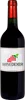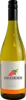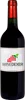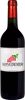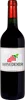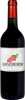
Winery Poderi SalvaroloLison-Pramaggiore Tocai Italico
 wine
wine
This wine generally goes well with
The Lison-Pramaggiore Tocai Italico of the Winery Poderi Salvarolo is in the top 0 of wines of Lison-Pramaggiore.
Details and technical informations about Winery Poderi Salvarolo's Lison-Pramaggiore Tocai Italico.
Discover the grape variety: Corinthe
Would find its first origins in the islands of the Greek archipelago. According to a study conducted in collaboration with SupAgro-Montpellier (Hérault), it would be a relative of the pedro ximénes, for more information click here ! It can be found in Greece, Australia, South Africa, the United States (California), ... hardly cultivated in France except among a few amateur gardeners. In Italy, it is vinified to serve as a base for the production of many vermouths.
Informations about the Winery Poderi Salvarolo
The Winery Poderi Salvarolo is one of of the world's greatest estates. It offers 9 wines for sale in the of Lison-Pramaggiore to come and discover on site or to buy online.

The wine region of Lison-Pramaggiore
The wine region of Lison-Pramaggiore is located in the region of Lison of Vénétie of Italy. Wineries and vineyards like the Domaine Bosco del Merlo or the Domaine Borgo Stajnbech produce mainly wines red, white and sparkling. The most planted grape varieties in the region of Lison-Pramaggiore are Merlot, Cabernet-Sauvignon and Chardonnay, they are then used in wines in blends or as a single variety. On the nose of Lison-Pramaggiore often reveals types of flavors of black fruit, non oak or earth and sometimes also flavors of microbio, oak or spices.
The wine region of Veneto
Veneto is an important and growing wine region in northeastern Italy. Veneto is administratively Part of the Triveneto area, aLong with its smaller neighbors, Trentino-Alto Adige and Friuli-Venezia Giulia. In terms of geography, culture and wine styles, it represents a transition from the Alpine and Germanic-Slavic end of Italy to the warmer, drier, more Roman lands to the South. Veneto is slightly smaller than the other major Italian wine regions - Piedmont, Tuscany, Lombardy, Puglia and Sicily - but it produces more wine than any of them.
The word of the wine: Yeast
Micro-organisms at the base of all fermentative processes. A wide variety of yeasts live and thrive naturally in the vineyard, provided that treatments do not destroy them. Unfortunately, their replacement by laboratory-selected yeasts is often the order of the day and contributes to the standardization of the wine. Yeasts are indeed involved in the development of certain aromas.