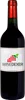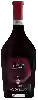
Winery Podere BignolinoBarbera
 wine
wine
This wine generally goes well with
The Barbera of the Winery Podere Bignolino is in the top 0 of wines of Oltrepò Pavese.

Details and technical informations about Winery Podere Bignolino's Barbera.
Discover the grape variety: Attiki
Light and fruity reds with a clear ruby hue, smooth tannins and an airy palate with preserved acidity, featuring signature aromas of red fruits (cherry, raspberry), Mediterranean herbs (thyme, rosemary) and Attic garrigue notes. Airy rustic profile. Preserved for its heritage value, it occasionally participates in regional blends and bears witness to Greek ampelographic diversity. Rare Greek black variety, grown in Attica in the Athens region.
Informations about the Winery Podere Bignolino
The Winery Podere Bignolino is one of of the world's greatest estates. It offers 14 wines for sale in the of Oltrepò Pavese to come and discover on site or to buy online.

The wine region of Oltrepò Pavese
Little-known Lombardy, home of Italian Pinot Nero (3rd largest area worldwide). Refined Metodo Classico DOCG sparklers: fine bubbles with notes of apple, citrus, brioche and almond, taut finish. Also still red versions: fleshy Pinot Nero (cherry, undergrowth), fruity, slightly fizzy Bonarda, lively Croatina and bright Barbera. Mineral Riesling, sweet, musky Moscato in whites.
The wine region of Lombardia
Three poles. Franciacorta DOCG, Italy's answer to Champagne: elegant brioche traditional-method sparklers (Chardonnay, Pinot Noir, Pinot Blanc), fine bubble and mineral profile. Alpine Valtellina: Nebbiolo (alias Chiavennasca) with fine tannins and red fruits, powerful Sforzato passito. Oltrepò Pavese: fresh Pinot Noir and fruity-sparkling Bonarda.
The word of the wine: Liquid
Sweet wine containing more than 50 grams of residual sugar per liter. Sweet wines are made from grapes often affected by botrytis cinerea and concentrated either by passerillage (drying of the grapes on the vine stock), or after the harvest (straw wines), or by the cold (ice wines).