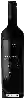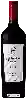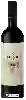
Winery PiattelliLimited Edition Ancellotta
 Red wine


This wine generally goes well with
Wine flavors and olphactive analysis

Details and technical informations about Winery Piattelli's Limited Edition Ancellotta.
Discover the grape variety: Ancellotta
A very old grape variety that has been cultivated for a long time in the northern and central parts of Italy. It can also be found in Switzerland, Spain, Eastern Europe, Brazil, Argentina, ... little known in France.
Last vintages of this wine

The best vintages of Limited Edition Ancellotta from Winery Piattelli are 2016, 0, 2017
Informations about the Winery Piattelli
The Winery Piattelli is one of of the world's great estates. It offers 38 wines for sale in the of Cafayate Valley to come and discover on site or to buy online.

The wine region of Cafayate Valley
The wine region of Cafayate Valley is located in the region of Calchaqui Valley of Salta of Argentina. Wineries and vineyards like the Domaine Matervini or the Domaine Domingo Molina produce mainly wines red, white and pink. The most planted grape varieties in the region of Cafayate Valley are Malbec, Cabernet-Sauvignon and Tannat, they are then used in wines in blends or as a single variety. On the nose of Cafayate Valley often reveals types of flavors of pineapple, toasty or mulberry and sometimes also flavors of oregano, bramble or black plum.
The wine region of Salta
Salta, in the far North of Argentina, is home to some of the world's most extreme Vineyard sites. As is the case in Catamarca to the South and Jujuy to the northwest, Salta's vineyards are often located amid mountainous terrain with some reaching altitudes of just over 3,000 meters (9840ft) above sea level. The viticultural area is mainly concentrated to Cafayate of the Calchaqui Valley. Argentina's signature Grape varieties of Torrontes and Malbec are Salta's top performers, producing Bright, intensely flavored wines.
The word of the wine: Chaptalization
The addition of sugar at the time of fermentation of the must, an ancient practice, but theorized by Jean-Antoine Chaptal at the dawn of the 19th century. The sugar is transformed into alcohol and allows the natural degree of the wine to be raised in a weak or cold year, or - more questionably - when the winegrower has a harvest that is too large to obtain good maturity.