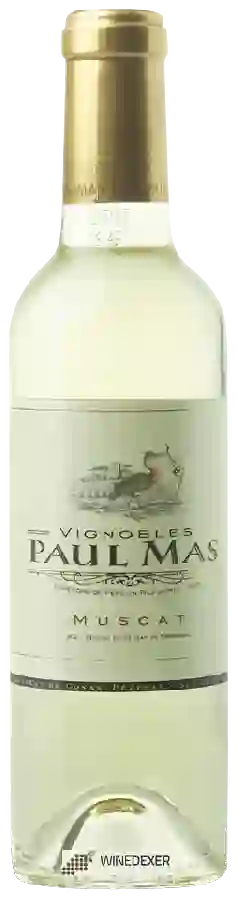
Winery Paul MasMuscat
 Sweet wine


This wine generally goes well with spicy food and sweet desserts.

Food and wine pairings with Muscat
Pairings that work perfectly with Muscat


Original food and wine pairings with Muscat
The Muscat of Winery Paul Mas matches generally quite well with dishes of spicy food or sweet desserts such as recipes of chicken legs and changing or rice with milk.
Details and technical informations about Winery Paul Mas's Muscat.
Discover the grape variety: Espadeiro
Light, fresh reds and rosés with a clear ruby or vivid pink robe, smooth tannins and a slender palate with lively acidity. Signature aromas of red fruits (strawberry, raspberry, redcurrant), soft spices and fresh floral notes. Airy Atlantic profile, best drunk young. Often blended with Vinhão and Borraçal, it features in Vinho Verde reds and rosés from the Minho. Native Portuguese black grape of the Vinho Verde zone around Amarante.
Last vintages of this wine

The best vintages of Muscat from Winery Paul Mas are 2016, 2017
Informations about the Winery Paul Mas
The Winery Paul Mas is one of of the world's great estates. It offers 134 wines for sale in the of Vin de Pays to come and discover on site or to buy online.

The wine region of Vin de Pays
Intermediate category between AOC and Vin de France (renamed IGP in 2009), 27% of national volume. Accessible, expressive wines defined by their grape: opulent Chardonnay, lively Sauvignon, round Merlot, peppery Syrah, floral Viognier with apricot. 76 IGP in France at 3 scales: regional (Pays d'Oc, Méditerranée, Val de Loire), departmental or local. Flexible rules, wide range of permitted grapes, free grape and vintage labelling.
The wine region of Pays d'Oc
The single-grape IGP par excellence: modern, accessible, frank and fruity wines, the popular signature of the Midi. Spicy Syrah reds (pepper, blackberry), round Merlot, structured Cabernet, generous Grenache, supple Cinsault. Crisp, tangy rosés. Opulent Chardonnay whites, lively Sauvignon, floral, apricoty Viognier.
The word of the wine: Piccolo
Small bottle with a capacity of 20 centilitres.