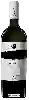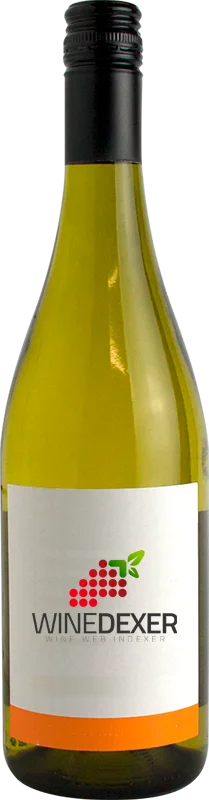
Winery ParoleTrocken Pinot Grigio
 White wine


In the mouth this white wine is a .
This wine generally goes well with vegetarian, shellfish or mushrooms.

Taste structure of the Trocken Pinot Grigio from the Winery Parole
Light | Bold | |
Dry | Sweet | |
Soft | Acidic |
In the mouth the Trocken Pinot Grigio of Winery Parole in the region of Abruzzo is a .
Food and wine pairings with Trocken Pinot Grigio
Pairings that work perfectly with Trocken Pinot Grigio


Original food and wine pairings with Trocken Pinot Grigio

The Trocken Pinot Grigio of Winery Parole matches generally quite well with dishes of shellfish, vegetarian or mushrooms such as recipes of sauerkraut of the sea in casserole, leek, goat cheese and bacon quiche or quenelle with bechamel sauce and mushroom.
Details and technical informations about Winery Parole's Trocken Pinot Grigio.
Discover the grape variety: Neretto di Bairo
Light, fruity reds with a clear ruby colour, silky tannins and an airy palate with fresh acidity. Signature aromas of red fruits (cherry, raspberry) and gentle spice. A confidential heritage variety. Occasionally blended into Canavese DOC wines or bottled as a single-variety micro-cuvée by artisan producers. A native black grape of Piedmont's Canavese area, around Bairo.
Last vintages of this wine
The best vintages of Trocken Pinot Grigio from Winery Parole are 2015, 0
Informations about the Winery Parole
The Winery Parole is one of of the world's greatest estates. It offers 4 wines for sale in the of Abruzzo to come and discover on site or to buy online.

The wine region of Abruzzo
Accessible, identity-driven Italian duo. Montepulciano d'Abruzzo as red: deep colour, intense aromas of black cherry, ripe plum, sweet spices and balsamic notes, round tannins and a gourmet finish, from everyday to age-worthy Riserva. Cerasuolo d'Abruzzo DOCG as a fleshy, fruity rosé (strawberry, pomegranate). Trebbiano d'Abruzzo as a straight white with citrus and white flowers, sublimated by a few cult producers (Valentini).
The word of the wine: Runoff
Failure of the vine flower to fertilize at the time of flowering, when the weather is too cold or rainy. Under these conditions, the vine will have few or no clusters.