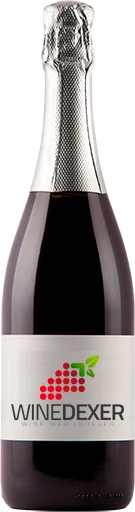
Winery Domeniile PanciuCasa Panciu Frizzante Rosé
 Sparkling wine


This wine generally goes well with
The Casa Panciu Frizzante Rosé of the Winery Domeniile Panciu is in the top 50 of wines of Panciu.
Details and technical informations about Winery Domeniile Panciu's Casa Panciu Frizzante Rosé.
Discover the grape variety: Aspiran
Aspiran is a grape variety whose first traces go back to Gallo-Roman times. Originally from the Languedoc region, it is not very common nowadays. It has many alternative names, including verdal, ribeyrenc and riveyrenc. The vine, which is more or less upright, has average vigor. The ripening of the second late period allows the picking of compact, winged, conical bunches of medium size. The berries are protected by a resistant, albeit thin, skin, which is distinguished by its plum-colored hue, but can also appear pink, gray or white. The flesh is delicious with its spicy and sweet taste and is rich in juice. When vinified, it gives a product with a delicate colour, slightly perfumed and fine in the mouth. Although it does not fear arid and rocky soils, Aspiran is sensitive to winter frosts.
Last vintages of this wine
The best vintages of Casa Panciu Frizzante Rosé from Winery Domeniile Panciu are 0, 2018
Informations about the Winery Domeniile Panciu
The Winery Domeniile Panciu is one of of the world's great estates. It offers 45 wines for sale in the of Panciu to come and discover on site or to buy online.

The wine region of Panciu
The wine region of Panciu of Romania. Wineries and vineyards like the Domaine Domeniile Panciu or the Domaine Domeniile Panciu produce mainly wines white, red and sparkling. The most planted grape varieties in the region of Panciu are Cabernet-Sauvignon, Feteasca neagra and Muscat Ottonel, they are then used in wines in blends or as a single variety. On the nose of Panciu often reveals types of flavors of non oak, microbio or tree fruit and sometimes also flavors of oak, vegetal or citrus fruit.
The word of the wine: Second fermentation
In the making of champagne, fermentation of the base wine to which is added the liqueur de tirage and which takes place in the bottle. This second fermentation produces the carbon dioxide, and therefore the bubbles that make up the effervescence of the wine.