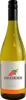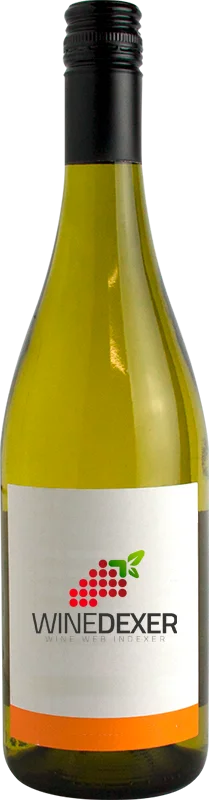
Winery PallhuberAmanti del Vino Blanc
 White wine
This wine generally goes well with poultry, veal or shellfish.

Food and wine pairings with Amanti del Vino Blanc
Pairings that work perfectly with Amanti del Vino Blanc



Original food and wine pairings with Amanti del Vino Blanc
The Amanti del Vino Blanc of Winery Pallhuber matches generally quite well with dishes of pork, rich fish (salmon, tuna etc) or shellfish such as recipes of north welsch, tunisian bricks or paella for dummies (simple and delicious).
Details and technical informations about Winery Pallhuber's Amanti del Vino Blanc.
Discover the grape variety: Tressailler
Light, lively whites to drink young with a pale golden robe, an airy palate with preserved acidity, and discreet aromas of citrus (lemon), white flowers and fresh herbal notes. Also used in sparkling base wines. A component of Saint-Pourçain AOC in Auvergne and participant in Crémant de Bourgogne. Also called Sacy, this indigenous French white from the Allier and Bourbonnais defines northern Burgundy.
Informations about the Winery Pallhuber
The Winery Pallhuber is one of of the world's great estates. It offers 189 wines for sale in the of Vino da Tavola to come and discover on site or to buy online.

The wine region of Vino da Tavola
The freest category of Italian wine, with no grape or zone constraint. All styles: bold reds based on Bordeaux grapes (Cabernet, Merlot), atypical blends, maker's cuvées outside DOC rules. Historic cradle of the "Super Tuscans" in the 1960s-80s (Sassicaia, Tignanello, Ornellaia) before the creation of IGT in 1992. Today dedicated to everyday wines or winemaker experiments.
The word of the wine: Oenophile
A person who is interested in the world of wine and more particularly in wine tasting.