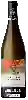
Winery Otto U. Theresia RiegelneggWelschriesling
 White wine
This wine generally goes well with

Details and technical informations about Winery Otto U. Theresia Riegelnegg's Welschriesling.
Discover the grape variety: Folignan
Simple, lively dry whites with a pale golden robe and a lean, sharp palate, with understated aromas of citrus (lemon), white flowers and herbal notes. Neutral, acidic profile primarily intended for distillation into Cognac and Armagnac. Grown in the Charentes and the Landes; contributes to French eaux-de-vie. French white variety created in 1965 in Montpellier by Paul Truel, crossing of folle blanche and ugni blanc.
Informations about the Winery Otto U. Theresia Riegelnegg
The Winery Otto U. Theresia Riegelnegg is one of of the world's great estates. It offers 14 wines for sale in the of Südsteiermark to come and discover on site or to buy online.

The wine region of Südsteiermark
Austrian jewel of aromatic whites (southern Styria): signature Sauvignon Blanc as king of whites (~20% of 2,800 ha) — vibrant and crunchy with notes of green apple, gooseberry, elderflower, nettle, grapefruit and a touch of exotic fruit, tense acidity and chalky minerality. Lively Welschriesling, full Morillon (Chardonnay), floral Muscat among whites. Typical Schilcher rosé. DAC, Illyrian climate, shelly limestone and clay, steep slopes.
The wine region of Steirerland
Austrian Styria, the country's southernmost region around Graz down to the Slovenian border, vineyards on steep slopes up to 700 m, temperate southern climate. Signature Sauvignon Blanc as white king: lively and precise with notes of grapefruit, passion fruit, boxwood, elderflower and a mineral touch — mountain benchmark. Tense Welschriesling (green apple, citrus), ample Morillon (Chardonnay), floral Muskateller. Rustic Schilcher rosé from Blauer Wildbacher.
The word of the wine: Botrytis cinerea
This fungus, also called noble rot, develops during the over-ripening phase and is an ally of great sweet white wines, when it concentrates the juice of the berries. It requires the humidity of morning fogs and beautiful sunny days, gives musts very rich in sugar and brings to the wines the famous taste of "roasted".